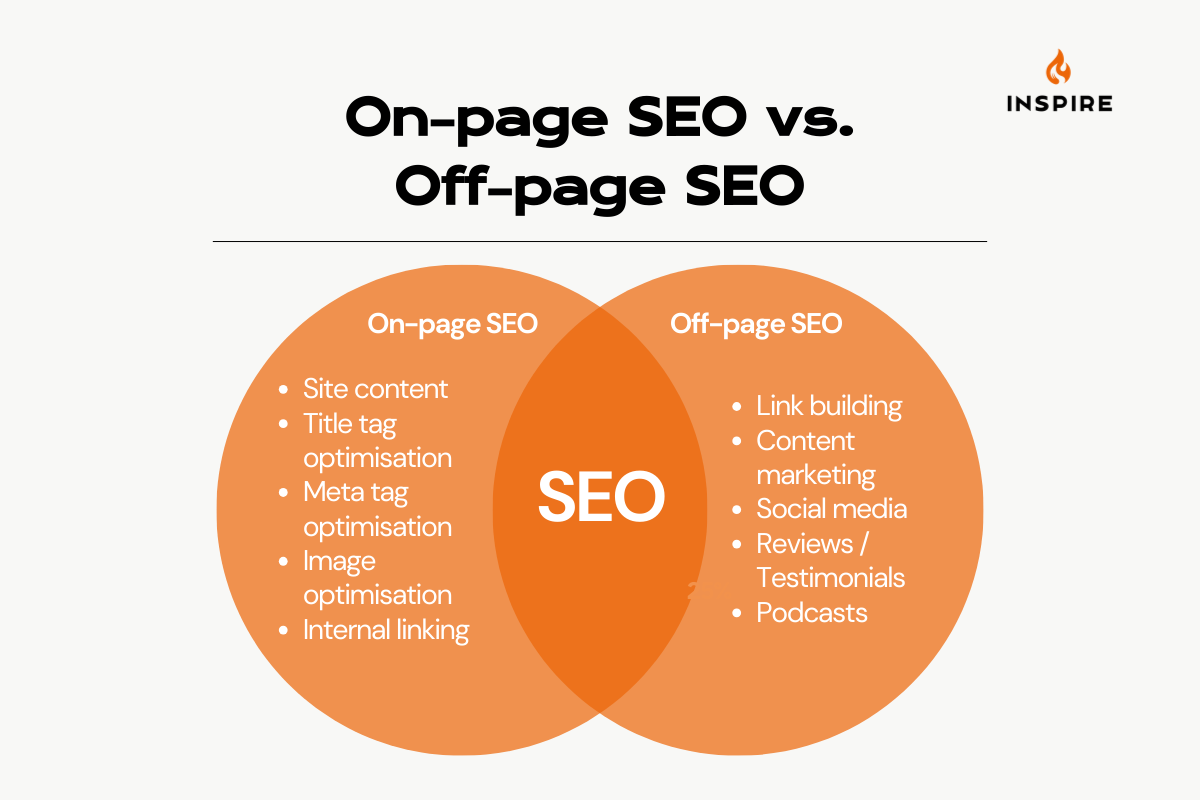
Search Engine Optimization (SEO) is a vital component of any successful digital marketing strategy. While off-page SEO factors like backlinks and social signals play a crucial role in improving your website’s visibility, on-page SEO is equally important in ensuring that your content ranks well in search engine results.
On-page SEO refers to the practice of optimizing individual web pages to rank higher and earn more relevant traffic in search engines. This involves optimizing both the content and HTML source code of a page to make it more search engine-friendly.
Effective on-page SEO can have a significant impact on your website’s search engine rankings and organic traffic. By following best practices and optimizing your content for both users and search engines, you can increase visibility, attract more qualified leads, and ultimately drive conversions.
In today’s competitive online landscape, on-page SEO is essential for improving your website’s performance in search engine results. By focusing on key elements like title tags, meta descriptions, keyword optimization, and user experience, you can enhance the visibility and relevance of your content, ultimately leading to greater success online.
Creating high-quality, relevant content for your website is a fundamental tip for effective on-page SEO. By producing content that is valuable, informative, and tailored to your target audience’s needs, you can not only improve your website’s search engine rankings but also engage and retain visitors. Search engines reward websites that offer quality content by ranking them higher in search results, making it essential to focus on creating content that resonates with users and provides genuine value. Remember, quality content is the cornerstone of a successful SEO strategy.
Optimizing your meta tags, such as title tags and meta descriptions, is a crucial aspect of on-page SEO. Title tags should be crafted to accurately reflect the content of the page while incorporating relevant keywords to improve search engine visibility. Similarly, well-written meta descriptions not only provide a concise summary of the page’s content but also entice users to click through to your website. By paying attention to these key elements and ensuring they are optimized effectively, you can enhance your website’s search engine rankings and attract more qualified traffic.
When implementing on-page SEO strategies, it is crucial to use descriptive URLs that incorporate relevant keywords related to your content. By crafting clear and keyword-rich URLs, you not only help search engines understand the context of your web pages but also provide users with a better idea of what to expect when they click on the link. This practice can enhance the visibility and relevance of your content, ultimately improving your website’s search engine rankings and attracting more organic traffic.
Optimising your website’s loading speed is a crucial aspect of on-page SEO that can significantly enhance both user experience and SEO performance. A faster-loading website not only provides visitors with a more seamless browsing experience but also signals to search engines that your site is reliable and user-friendly. By prioritising website loading speed, you can reduce bounce rates, increase user engagement, and improve your search engine rankings, ultimately driving more organic traffic to your site.
Optimising images by using descriptive filenames and alt text is a crucial aspect of on-page SEO. By giving images relevant names and providing informative alt text, you not only improve the accessibility of your content for users with visual impairments but also enhance the overall relevance of your webpage for search engines. This practice helps search engines understand the context of your images, making them more likely to appear in relevant search results and ultimately boosting the visibility and ranking of your website.
