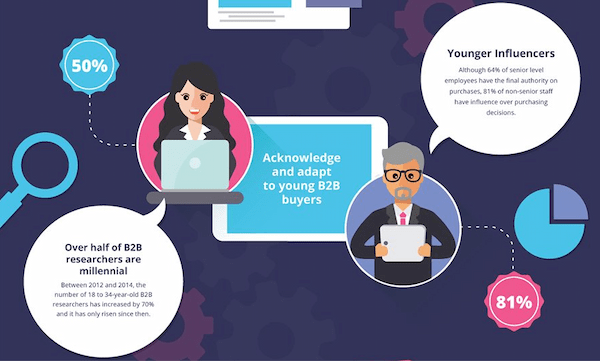
B2B search engine optimisation (SEO) helps businesses appear in search results when potential customers are researching products, services and suppliers. Unlike consumer-focused SEO, B2B SEO often serves longer buying journeys, multiple decision-makers and specialist audiences. A strong strategy can make your business easier to find, build confidence in your expertise and attract relevant enquiries over time.
B2B purchases are rarely made on impulse. Buyers may spend weeks or months comparing options, reviewing technical details and seeking approval from colleagues. The person searching may be a researcher, an operational lead or a senior decision-maker, and each may have different questions.
This means B2B SEO needs to do more than bring visitors to a website. It should help the right people find useful information at each stage of their decision-making process. Content might introduce a problem, explain possible solutions, compare approaches or answer detailed questions about implementation.
Before choosing keywords or publishing content, identify the organisations you want to reach and the people involved in their purchasing decisions. Consider their sectors, business size, responsibilities and likely challenges. Speaking with sales and customer support teams can reveal the questions prospects ask most often.
Map those questions to the buying journey. For example:
This gives your SEO activity a clear purpose: helping prospective customers make informed decisions rather than simply increasing page views.
Keyword research helps you understand the language people use when searching for your services. In B2B markets, useful opportunities may include specific service terms, industry terminology, product categories, compliance requirements and searches that describe a particular business problem.
Search volume is only one consideration. A broad term may attract many visitors but little commercial interest, while a more specific phrase may bring fewer visitors who are much closer to making an enquiry. Assess each keyword for relevance, likely intent and the page that would best answer the search.
Look beyond short phrases. Questions such as “how to reduce downtime in manufacturing” or “what to consider when choosing a managed IT provider” may indicate that a buyer is actively researching a business need. These searches can inform helpful articles, guides and service pages.
Strong B2B content demonstrates that you understand your audience’s challenges. It should be accurate, clearly written and genuinely useful, not created solely to include keywords. Depending on your business, effective formats may include:
Make it clear who created or reviewed technical content, and support claims with evidence where possible. Real examples, relevant qualifications and transparent explanations can help establish trust. Keep pages current, particularly where services, regulations or industry practices change.
Search engines need to be able to find, understand and index your pages. A sound technical foundation supports this and improves the experience for visitors. Key areas to review include:
Technical improvements should be prioritised according to their impact. A long list of minor fixes is less useful than resolving issues that prevent important pages from appearing in search or make them difficult to use.
Links from reputable websites can help people discover your business and may contribute to how search engines assess your site. Focus on earning relevant links through worthwhile activity: publishing original research, contributing expert commentary, creating useful resources or participating in credible industry organisations.
Avoid buying links or pursuing large numbers of low-quality links. These tactics can undermine trust and do little to build a lasting reputation. In B2B, a mention on a respected trade publication or partner website may be more valuable than many unrelated links.
SEO results should be assessed using more than rankings. Track organic visibility and website activity, but also consider what happens after a visitor arrives. Useful measures may include qualified enquiries, demo requests, calls, downloads and opportunities influenced by organic search.
Because B2B sales cycles can be lengthy, connect website data with your customer relationship management system where practical. This can help show which pages and topics contribute to conversations and revenue, while recognising that SEO may support a decision without being the final channel a buyer uses.
B2B SEO is not a one-off project. Search behaviour, competitors and business priorities change, so review performance regularly. Refresh valuable pages, improve content that is not meeting its purpose and look for new questions your audience is asking.
The most effective approach combines technical care, useful content and a clear understanding of how business buyers make decisions. By focusing on relevance and credibility rather than traffic alone, B2B search engine optimisation can become a sustainable source of visibility and qualified demand.
SEO is important for B2B SaaS because it helps potential customers discover your software while they are researching solutions, comparing providers or looking for ways to solve a business challenge. Useful, well-optimised content can attract relevant visitors, explain your product’s value and build trust with decision-makers before they speak to your sales team. Over time, strong organic visibility can support a steady flow of qualified leads, reduce reliance on paid advertising and contribute to more sustainable growth.
B2B SEO focuses on helping businesses reach other businesses, while B2C SEO targets individual consumers. B2B searches often involve specialist terms, longer research periods and several decision-makers, so content tends to provide in-depth information, demonstrate expertise and support buyers at each stage of evaluation. B2C SEO more often targets broader, high-volume searches and quicker purchasing decisions, with content designed to appeal directly to individual needs and preferences. Both approaches rely on relevant keywords, useful content and a well-optimised website, but they differ in audience, search intent and the path from discovery to purchase.
To do SEO for a B2B business, start by identifying your target organisations, decision-makers and the questions they ask at each stage of the buying journey. Research relevant keywords, prioritising search intent and business value over volume alone, then create clear, useful content such as service pages, expert guides and case studies. Make sure your website is technically sound, easy to navigate and works well on mobile, and build authority through credible industry links and expert insights. Track qualified enquiries and sales opportunities alongside rankings and traffic, then use the results to refine your strategy over time.
SEO helps B2B businesses reach potential customers while they are researching challenges, comparing solutions and choosing suppliers. By improving your website’s visibility for relevant searches and publishing useful, trustworthy content, you can attract more qualified visitors, demonstrate expertise and support buyers throughout longer decision-making processes. Over time, this can lead to stronger brand awareness and more relevant enquiries.
To improve your B2B SEO, start by understanding your target businesses, decision-makers and the questions they ask throughout the buying journey. Research relevant keywords, then create useful, accurate content that addresses those needs and clearly explains your products or services. Make sure your website is easy to navigate, works well on mobile and loads quickly, with clear page titles and internal links. Build credibility through expert insights, case studies and relevant links from trusted industry websites. Finally, measure results using qualified enquiries and leads as well as rankings and traffic, and refine your approach regularly.
B2B SEO focuses on helping businesses reach other businesses, while B2C SEO targets individual consumers. B2B searches often involve specialist terms, multiple decision-makers and a longer buying journey, so content tends to provide in-depth information, comparisons and evidence of expertise. B2C SEO commonly targets a wider audience and may focus more on product discovery, convenience, price and quick purchase decisions. Both approaches rely on relevant keywords, useful content and a technically sound website, but the strategy should reflect the audience and how they choose to buy.
To use SEO for B2B, start by identifying the businesses and decision-makers you want to reach, then research the terms they use when looking for solutions. Create useful, accurate content that answers their questions at each stage of the buying journey, from early research to comparing suppliers. Make sure your website is easy to navigate, works well on mobile and clearly explains your expertise and services. Track qualified enquiries and sales opportunities—not just rankings or website visits—and use the results to refine your strategy over time.
B2B search is the process of researching products, services or suppliers that one business can provide to another. It often involves several people and a longer decision-making journey, with searches covering everything from a business challenge and possible solutions to supplier comparisons and detailed specifications. B2B search engine optimisation helps your business appear for these relevant searches, connecting your expertise with organisations looking for what you offer.
A B2B SEO strategy is a plan for helping your business appear in search results when other businesses are looking for the products, services or expertise you provide. It typically combines keyword research, technically sound website pages and useful content tailored to different people and stages in the buying process. The aim is not simply to attract more visitors, but to reach relevant decision-makers, build trust and encourage qualified enquiries.
The four commonly recognised types of SEO are on-page, off-page, technical and local SEO. On-page SEO improves the content and structure of individual pages, while off-page SEO focuses on signals beyond your website, such as reputable links and mentions. Technical SEO helps search engines crawl, understand and index your site, and local SEO helps your business appear in location-based searches. For B2B companies, the right mix depends on your audience and goals; local SEO is especially useful when you serve particular regions, while the other three support visibility more broadly.
SEO (search engine optimisation) helps your B2B website earn visibility in unpaid search results by improving its content, authority and technical performance. It can build sustained traffic and trust over time, but results usually take patience. PPC (pay-per-click) involves paying to show adverts for selected searches, giving you more immediate visibility and control over targeting and spend; traffic typically stops when the campaign ends. For many B2B businesses, SEO and PPC work best together: PPC can generate faster enquiries and test keywords, while SEO builds long-term organic reach.
Yes, SEO can be highly effective for B2B businesses. It helps potential customers find your products, services and expertise while researching solutions, often before they are ready to speak to a supplier. By targeting relevant search terms and publishing genuinely useful content, you can build visibility and trust throughout a longer buying journey. Results take time, and success is best measured by the quality of enquiries and opportunities generated, not just website traffic.
The B2B SEO strategy in 2023 centred on understanding the needs of business buyers and creating useful content for every stage of their longer decision-making journey. This involved researching relevant keywords and search intent, improving service pages and technical website performance, and publishing credible resources such as expert articles, case studies and practical guides. Building relevant links and measuring qualified enquiries—not just traffic or rankings—also helped businesses assess whether their SEO was contributing to commercial goals.
In SEO, B2B means “business-to-business”: search engine optimisation designed to help a business reach other businesses rather than individual consumers. It focuses on the search terms, questions and needs of professional buyers, who may research solutions over a longer period and involve several decision-makers. B2B SEO uses relevant website content and technical improvements to attract these audiences and support them as they compare options and choose a supplier.
Yes, SEO can work very well for B2B businesses by helping prospective clients find your products, services and expertise while researching solutions. Because B2B buying journeys are often longer and involve several decision-makers, useful content can build trust at each stage, from initial research to supplier comparison. Results take time and depend on factors such as competition, website quality and the relevance of your content, so success should be measured not only by rankings and traffic but also by qualified enquiries and sales opportunities.
The best SEO for B2B focuses on reaching the right decision-makers with useful, trustworthy information throughout their buying journey. Start by researching the problems your audience is trying to solve, then target relevant search terms and create clear service pages, expert guides and case studies that answer their questions. Support this content with a technically sound, easy-to-navigate website, credible industry links and regular performance reviews. Rather than chasing traffic alone, measure success through meaningful outcomes such as qualified enquiries, demo requests and sales opportunities.
Use SEO for B2B by first identifying your target organisations, decision-makers and the questions they ask at each stage of the buying journey. Research relevant search terms, then create clear, authoritative pages and resources that answer those needs, from introductory guides to detailed service information and case studies. Make sure your website is easy to navigate, works well on mobile devices and can be crawled by search engines. Track more than rankings and traffic: measure qualified enquiries, demo requests and other outcomes that support your business goals, and refine your approach as buyer needs change.
Yes, SEO is still worth it in 2026, particularly for B2B businesses whose buyers research options online before making a decision. It can help your organisation appear when potential customers are looking for solutions, build trust through useful and credible content, and generate qualified enquiries over time. Results are rarely immediate, and search is changing as AI-powered tools influence how people find information, so SEO should focus on clear expertise, technically sound pages and content that genuinely answers buyers’ questions. Measure success by its contribution to relevant leads and business opportunities, not rankings or traffic alone.
To create a B2B SEO strategy, start by defining your business goals and the organisations and decision-makers you want to reach. Research the questions they ask at each stage of the buying journey, then choose relevant keywords based on search intent and commercial value—not just search volume. Use these insights to plan useful, credible content and improve the technical health, structure and usability of your website. Build authority through relevant industry mentions and links, and measure progress using qualified enquiries and sales opportunities as well as rankings and organic traffic. Review results regularly and refine the strategy as your audience’s needs and priorities change.
A B2B SEO agency is a specialist company that helps businesses improve their visibility in search engines and attract relevant business customers. It may provide services such as keyword research, technical website improvements, content planning, link building and performance reporting. A good agency takes account of your industry, target audience and often lengthy buying journey, focusing on qualified enquiries and business growth rather than rankings or website traffic alone.
Yes, SEO matters for B2B because it helps potential customers find your business while researching challenges, solutions and suppliers. Since B2B buying decisions often involve several people and a longer consideration period, useful search-friendly content can build trust at each stage, from early research to comparing providers. A well-planned SEO strategy can increase your visibility for relevant searches and support a steady flow of qualified enquiries over time.
SEO for B2B is the process of improving a business website so it appears more prominently in search results used by other businesses. It involves understanding the needs and search habits of business buyers, creating useful content, targeting relevant keywords and ensuring the website is easy for search engines and visitors to use. The aim is to attract qualified prospects, build trust and support them throughout a longer, often more considered purchasing journey.
