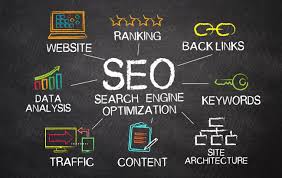
SEO marketing, or Search Engine Optimization marketing, is a vital component of any successful digital marketing strategy. It involves the process of optimizing your website and online content to improve its visibility and ranking in search engine results pages (SERPs).
Keywords: Choosing the right keywords relevant to your business is crucial in SEO marketing. By strategically incorporating these keywords into your website content, you can attract more organic traffic from search engines.
On-Page Optimization: This includes optimizing various on-page elements such as meta tags, headings, images, and internal links to make your website more search engine-friendly.
Off-Page Optimization: Off-page SEO focuses on building quality backlinks from reputable websites to improve your site’s authority and credibility in the eyes of search engines.
Increased Visibility: By appearing higher in search results, your website is more likely to be seen by potential customers searching for products or services related to your business.
Enhanced User Experience: Optimizing your website for SEO not only improves its visibility but also enhances the overall user experience by making it faster, more user-friendly, and mobile-responsive.
Cost-Effective Marketing: Compared to traditional advertising methods, SEO marketing offers a cost-effective way to reach a targeted audience and generate organic traffic over time.
In today’s competitive digital landscape, staying ahead with effective SEO strategies is essential for businesses looking to thrive online. As search engines continue to evolve and refine their algorithms, keeping up-to-date with the latest trends and best practices in SEO marketing is key to maintaining a strong online presence.
When it comes to Search Engine Optimization (SEO), there are four main types that businesses commonly focus on to improve their online presence and visibility. These include on-page SEO, off-page SEO, technical SEO, and local SEO. On-page SEO involves optimizing individual web pages with relevant keywords, meta tags, and quality content. Off-page SEO focuses on building backlinks from reputable sites to enhance domain authority. Technical SEO deals with website structure, speed, and mobile-friendliness for better search engine indexing. Lastly, local SEO targets location-based searches to help businesses attract nearby customers. By understanding and implementing these different types of SEO strategies effectively, businesses can enhance their online rankings and reach a wider audience.
In marketing, an SEO, which stands for Search Engine Optimisation, plays a pivotal role in enhancing a company’s online visibility and digital presence. An SEO professional is tasked with implementing strategies to improve a website’s ranking on search engine results pages (SERPs) by optimising various elements such as content, keywords, and backlinks. By focusing on both on-page and off-page optimisation techniques, an SEO expert aims to drive organic traffic to a website and ultimately increase its chances of being discovered by potential customers searching for relevant products or services.
To embark on your SEO journey, it is essential to begin with a solid foundation. Start by conducting thorough keyword research to identify relevant terms and phrases that your target audience is searching for. Next, optimize your website’s on-page elements, such as meta tags, headings, and content, to align with these keywords. Building quality backlinks from reputable websites can also boost your site’s authority and credibility in the eyes of search engines. Regularly monitoring and analysing your website’s performance using tools like Google Analytics will help you track progress and make informed decisions to continuously improve your SEO strategy. Remember that SEO is an ongoing process that requires dedication, patience, and a willingness to adapt to the ever-changing digital landscape.
Search Engine Optimization (SEO) in marketing refers to the practice of optimising digital content and websites to improve their visibility and ranking on search engine results pages. SEO involves various strategies aimed at enhancing a website’s relevance to specific keywords or phrases that users search for online. By implementing SEO techniques such as keyword research, on-page optimization, and link building, businesses can increase their organic traffic from search engines and attract more potential customers. SEO plays a crucial role in digital marketing by helping businesses reach their target audience effectively and improve their online presence.
SEO on Fiverr involves optimizing your gig listings and profile to improve their visibility and ranking within Fiverr’s search results. By strategically incorporating relevant keywords, creating high-quality descriptions, and offering competitive pricing, sellers can attract more potential buyers to their gigs. Additionally, factors such as positive reviews, completion rate, response time, and overall performance on the platform can also influence how well a gig ranks in Fiverr’s search algorithm. Successful SEO on Fiverr requires a combination of understanding the platform’s search mechanics and implementing best practices to stand out among the competition and attract more customers.
SEO marketing, short for Search Engine Optimization marketing, is a strategy aimed at improving a website’s visibility and ranking in search engine results pages (SERPs). By optimising various elements such as keywords, content, and backlinks, SEO marketing helps websites attract organic traffic from search engines like Google. The process involves understanding how search engines work and implementing techniques to enhance a website’s relevance and authority in relation to specific search queries. Ultimately, SEO marketing works by aligning a website’s content and structure with the algorithms used by search engines to deliver valuable information to users searching for relevant topics or products online.
SEO marketing is executed through a strategic approach that involves various techniques aimed at improving a website’s visibility and ranking on search engine results pages. The process typically includes keyword research and integration, on-page optimization of content and technical elements, off-page optimization through link building, and regular monitoring and analysis of performance metrics. By implementing these tactics effectively, businesses can enhance their online presence, attract more organic traffic, and ultimately boost their visibility and credibility in the digital landscape.
When it comes to Search Engine Optimization (SEO), there are four main types that businesses typically focus on: 1. On-Page SEO, which involves optimizing individual web pages with relevant keywords, meta tags, and quality content; 2. Off-Page SEO, which focuses on building backlinks from reputable sites to improve a website’s authority and credibility; 3. Technical SEO, which deals with the technical aspects of a website such as site speed, mobile-friendliness, and structured data markup; and 4. Local SEO, which targets local search results by optimizing a business’s online presence for specific geographic locations. Each type plays a crucial role in enhancing a website’s visibility and ranking in search engine results pages.
SEO in marketing, or Search Engine Optimization in marketing, refers to the practice of optimizing digital content to improve its visibility and ranking on search engine results pages (SERPs). By strategically incorporating relevant keywords, enhancing website structure and performance, and building quality backlinks, SEO aims to attract organic traffic and increase online presence. In essence, SEO in marketing is about enhancing a website’s chances of being discovered by potential customers searching for products or services related to a business, ultimately driving more targeted traffic and improving overall online performance.
SEO marketing for beginners refers to the practice of optimising a website and its content to enhance its visibility and ranking on search engine results pages. It involves various strategies such as keyword research, on-page optimisation, and link building to attract organic traffic and improve the overall performance of a website in search engine listings. SEO marketing is essential for beginners as it helps them understand how search engines work, how users search for information online, and how to create content that meets both user intent and search engine requirements. By mastering the basics of SEO marketing, beginners can lay a strong foundation for their digital marketing efforts and increase their online presence effectively.
SEO, or Search Engine Optimization, in marketing refers to the practice of optimizing digital content to improve its visibility and ranking on search engine results pages. By strategically incorporating relevant keywords, enhancing on-page and off-page elements, and building quality backlinks, SEO aims to attract organic traffic and increase a website’s authority. Effective SEO marketing not only enhances a website’s visibility but also improves user experience, drives targeted traffic, and offers a cost-effective way to reach potential customers online. It is an essential component of any successful digital marketing strategy in today’s competitive online landscape.
SEO, or Search Engine Optimization, in simple terms, is the practice of enhancing your website’s visibility and ranking on search engine results pages (SERPs). By optimising various aspects of your website and online content, such as keywords, meta tags, and backlinks, SEO helps to improve your site’s chances of appearing higher in search results. Ultimately, SEO aims to attract more organic traffic to your website and increase its online presence, making it easier for users to find your business when searching for relevant products or services.
Search Engine Optimization (SEO) is the practice of enhancing a website’s visibility and ranking on search engine results pages (SERPs) through organic, non-paid methods. By strategically optimizing various elements of a website, such as content, keywords, meta tags, and backlinks, SEO aims to improve the site’s relevance and authority in the eyes of search engines like Google. Examples of SEO techniques include keyword research and implementation, on-page optimization (such as meta descriptions and title tags), off-page optimization through link building, and technical SEO to ensure a website is easily crawlable by search engine bots. These strategies work together to increase a website’s chances of appearing higher in search results for relevant queries, ultimately driving more organic traffic and potential customers to the site.
