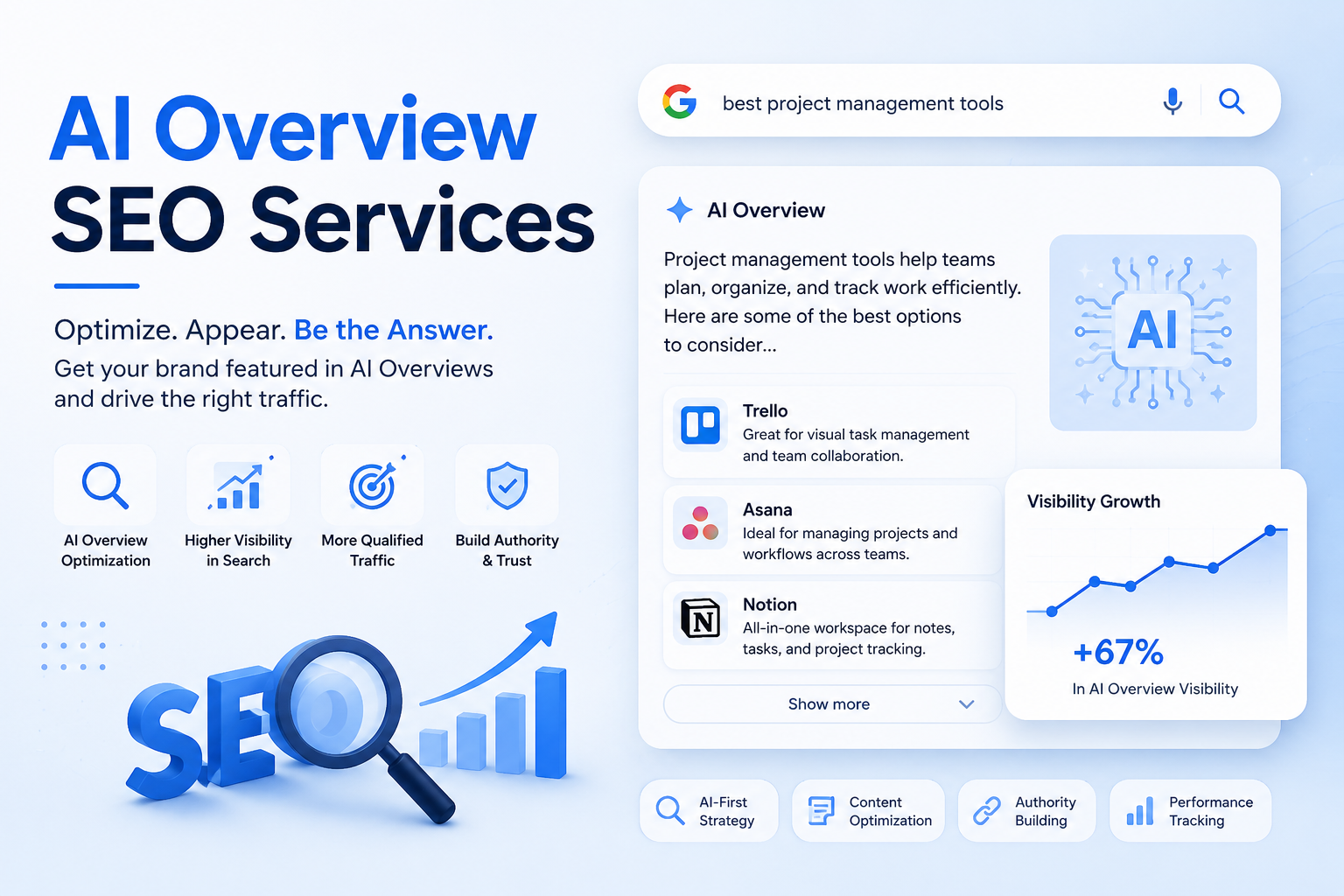
Search engine optimisation can be a powerful service for digital, creative and marketing agencies. It helps clients improve their visibility in search results, attract relevant visitors and build a stronger long-term online presence. But delivering SEO consistently takes time, specialist knowledge and the right processes.
For agencies, SEO services can be provided in-house, through a specialist partner or using a combination of both. The right approach depends on your team, client needs and growth plans. This guide explores what SEO services for agencies can include, how to choose a delivery model and what to look for in an SEO partner.
SEO services for agencies are search optimisation services designed to support an agency’s client work. They may be delivered directly to clients or behind the scenes as a white-label service. Depending on the arrangement, support can cover strategy, implementation, reporting or a complete SEO programme.
Common services include:
SEO can complement services such as web design, paid media, public relations and content marketing. A website redesign, for example, is an opportunity to improve site structure and user experience, while a content campaign can be planned around the questions prospective customers are already searching for.
Adding SEO can also help agencies support clients beyond a single campaign or launch. Search performance develops over time, so clients may benefit from ongoing strategic guidance, technical improvements and content planning. For agencies, this can create a more joined-up client service—provided that expectations are realistic and the work is properly resourced.
There is no single delivery model that suits every agency. The best choice will depend on the level of control you need, the expertise already available in your team and the volume of work you expect to manage.
An in-house team can work closely with account managers, designers, developers and content specialists. This may suit agencies with steady demand and a long-term commitment to developing SEO capability. However, recruitment, training and the range of specialist skills required can make this approach resource-intensive.
An external SEO specialist or consultancy can provide expertise when your team needs additional capacity or particular skills. This can be a flexible option, but it is important to agree responsibilities, communication processes and how the partner will work with your agency and clients.
White-label SEO allows an agency to offer search services under its own brand while a specialist provider carries out some or all of the delivery. Depending on the agreement, the provider may handle research, implementation, reporting or client-facing support.
White-label support can help agencies expand their offer without immediately hiring a full SEO team. Before choosing a provider, establish how work will be reviewed, who owns client communication, how quickly questions will be answered and whether reports can be tailored to your brand.
A good SEO partner should be able to explain both what they recommend and why. Look beyond broad promises and assess how the provider approaches your clients’ actual business objectives.
SEO is not a one-off switch. Results can depend on a website’s starting point, the competitiveness of its market, the quality of its content and the resources available to make improvements. Search engines also change how they present results, which can affect traffic and visibility.
At the start of an engagement, agree what success means. This could include improved visibility for relevant searches, more qualified organic visits, increased enquiries or stronger performance for particular product and service pages. Rankings can be useful to monitor, but they should not be the only measure of progress.
It is also important to separate planned activity from outcomes. An agency can commit to research, recommendations and implementation, but no provider can control every factor that influences search results. Honest communication helps clients understand what is being done, what has changed and what should happen next.
SEO works best when it is connected to the rest of a client’s digital activity. Insights from paid search can help identify valuable search terms, while organic search data can reveal content gaps and customer questions. Website design, conversion optimisation and analytics can also influence whether increased visibility leads to meaningful results.
For agencies, this means involving SEO specialists early—particularly in website redesigns, migrations, content planning and new product launches. Early input can help avoid preventable issues and make sure that search considerations are built into the work from the beginning.
SEO services can help agencies deliver a broader, more connected digital offering. Whether you build an in-house team, work with an external specialist or choose a white-label provider, success depends on clear processes, realistic expectations and a focus on each client’s objectives.
Choose a delivery model that fits your agency, communicate openly with clients and treat SEO as an ongoing part of digital growth. With the right expertise and collaboration, agencies can make search optimisation a valuable and sustainable part of their client work.
Define clear SEO service packages to make it easier for clients to find support that suits their goals, budget and stage of growth. For example, you could offer a foundational package covering an SEO audit and priority recommendations, an ongoing package with technical improvements, content optimisation and regular reporting, and a more comprehensive option for competitive or multi-location businesses. Set out exactly what each package includes, what falls outside its scope and how success will be assessed. Clear packages help clients understand the value of your services and make planning, pricing and delivery more straightforward for your agency.
Before starting an SEO campaign, agree clear, measurable goals with your client. These might include increasing qualified organic traffic, improving visibility for priority search terms, generating more enquiries or boosting sales from organic search. Set a baseline, choose relevant metrics and decide when progress will be reviewed. This gives your team a clear direction, helps clients understand what success looks like and makes it easier to assess which activities are delivering value.
Carry out regular technical SEO audits to identify issues that could make it harder for search engines to crawl, index or understand a client’s website. Check areas such as broken links, duplicate pages, slow loading times, mobile usability, redirects and XML sitemaps, then prioritise fixes by their likely impact. Sharing clear findings and practical recommendations helps your agency and the client’s developers address problems efficiently and protect the site’s search performance.
Prioritise keywords that closely match your client’s services, audience and business goals, rather than chasing high search volumes alone. Assess each term’s search intent, competition and the strength of the pages currently ranking to judge whether it offers realistic potential. A focused mix of achievable, highly relevant keywords can help build momentum, attract better-qualified visitors and create a stronger foundation for more competitive terms over time.
Create useful content that matches search intent by first understanding what people are hoping to find when they make a search. For agency clients, this means looking beyond keywords to consider whether users want information, comparisons or a specific product or service. Shape each page around that need, offering clear, accurate answers and practical value rather than content written simply to include search terms. This approach can improve the experience for visitors and help search engines understand how a page relates to relevant searches.
Build links through credible, relevant outreach by connecting clients with websites, journalists and organisations that genuinely serve their audience. Focus on offering something worthwhile—such as expert insight, original research or a useful resource—rather than sending generic requests or pursuing links at any cost. Prioritise relevance, editorial quality and genuine relationships, and make sure every link-building activity reflects the client’s brand and follows search engine guidelines.
Share concise SEO reports that make performance easy for clients to understand. Focus on a small set of relevant metrics, such as organic traffic, qualified leads, search visibility and conversions, and explain what has changed and why it matters. Highlight progress against agreed goals, note any challenges and set out the next steps, so clients can see the value of your work without having to sift through unnecessary data.
Keep clients informed with clear, regular updates on SEO progress and what happens next. Explain the work completed, highlight meaningful changes in performance and flag any challenges or decisions that need their input. Use straightforward language rather than relying on technical jargon, and connect updates to the client’s goals. This helps set realistic expectations, builds trust and ensures everyone understands the priorities for the next stage.
Review SEO strategies regularly to keep pace with evolving search algorithms, changing user behaviour and new industry trends. Schedule periodic performance checks to identify what is working, spot emerging issues and adjust priorities where needed. Rather than reacting to every update, focus on sound SEO fundamentals and use reliable data to guide changes—helping your agency deliver relevant, sustainable results for clients.
