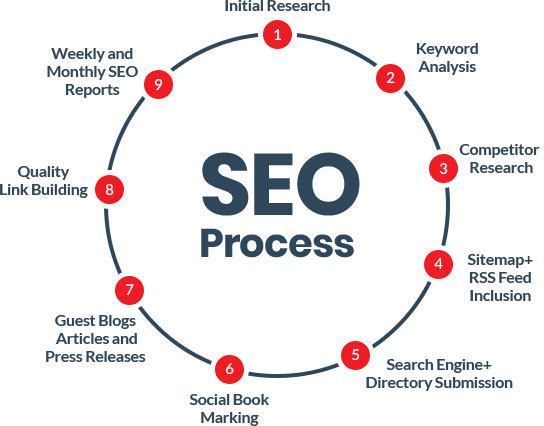
Choosing the right search engine optimisation (SEO) company can help your business become easier to find online, attract relevant visitors and turn more of them into customers. But SEO is not a single task or a guaranteed shortcut to the top of Google. The best SEO company services are tailored to your goals, grounded in sound research and measured over time.
Whether you run a local business, an online shop or a growing national brand, understanding what a professional SEO service should include can help you make a more informed choice.
An SEO company works to improve a website’s visibility in organic search results. Its work may involve analysing your site, researching what potential customers search for, improving pages and resolving technical issues. A good provider will explain its recommendations clearly and connect its work to your business objectives.
A thorough SEO audit reviews your website’s technical health, content, structure and existing search performance. The company can use the findings to create a prioritised strategy, focusing first on issues and opportunities most relevant to your goals.
A useful strategy should reflect your market, competitors, available resources and target audience. It should also set realistic expectations: SEO usually takes time, and results vary according to your website and industry.
Keyword research identifies the words and questions people use when looking for products, services or information. Strong research considers more than search volume. It looks at search intent too: whether a person is researching a topic, comparing options or ready to make a purchase.
This helps a business create pages that meet real customer needs instead of simply repeating popular phrases.
On-page SEO improves the content and elements of individual web pages. This can include:
The aim is to help visitors and search engines understand what each page offers. Good on-page work should prioritise usefulness and clarity, not awkward keyword repetition.
Technical SEO addresses the behind-the-scenes factors that can affect how search engines access and understand a website. Depending on the site, this may include checking indexing, crawlability, redirects, broken links, duplicate pages, mobile usability and page speed.
Technical recommendations should be specific to your website. Ask the provider to explain the issue, its likely impact and how the proposed fix will be tested.
High-quality content can answer customer questions, demonstrate expertise and support important service or product pages. An SEO company may help plan, write or improve website content, such as guides, landing pages, category descriptions and FAQs.
Content should be accurate, original and created for people. Publishing large volumes of thin or repetitive pages is unlikely to be a sound long-term strategy.
Local SEO helps a business appear in searches connected to a particular place. Services may include improving a Google Business Profile, maintaining consistent business details across directories, creating location-specific website content and monitoring customer reviews.
Local SEO can be especially valuable for businesses that serve customers in a defined area, including tradespeople, professional services and shops.
Links from relevant, reputable websites can help people discover your business and provide useful context about your site. Some SEO companies support digital PR, original research, useful resources or outreach to earn editorial coverage and links.
Be cautious of providers promising large numbers of links quickly or offering paid link schemes designed to manipulate search rankings. Ask how links are acquired and whether the approach follows search engine guidelines.
SEO is an ongoing process. Regular reporting should show what work has been completed, what has changed and what the company recommends next. Useful measures may include organic traffic, search visibility, relevant enquiries, sales and conversions, depending on your business model.
Rankings can provide context, but they should not be the only measure of success. A meaningful report connects search performance with outcomes that matter to your organisation.
The best provider is not necessarily the largest or the one with the most impressive promises. Look for a company that understands your objectives and can explain its methods in plain English.
Effective SEO combines technical quality, useful content and a clear understanding of customers. It also depends on collaboration: an SEO company may need input from your marketing, development or sales teams to implement recommendations and assess their impact.
Look for a provider that focuses on sustainable improvements rather than quick fixes. A clear strategy, honest reporting and consistent work are generally more valuable than promises of instant results.
The best SEO company services are those that suit your business, audience and budget. From technical audits and keyword research to content, local SEO and reporting, each activity should have a clear purpose. Take time to compare providers, ask direct questions and choose a team that is transparent about what it can deliver.
Choose an SEO company with proven results in your industry, as it is more likely to understand your audience, competitors and the search terms that matter to your business. Ask for relevant case studies and examples of work, and find out how the company measured success. While past results cannot guarantee future performance, evidence of experience in your sector can help you judge whether its approach is a good fit.
When comparing SEO companies, look for clear audits, a strategy tailored to your business and regular reporting. A thorough audit should explain your website’s strengths, issues and priorities, while the strategy should set out what work will be done and why. Regular reports help you understand progress, see what has been completed and agree on the next steps.
Prioritise quality content and ethical link-building when choosing SEO services. Helpful, original content should answer your audience’s questions and offer genuine value, while links should be earned through relevant, reputable coverage rather than bought in bulk or created through manipulative schemes. These sustainable practices can strengthen your website’s credibility and support long-term search visibility.
When comparing SEO companies, check that their services include technical SEO and mobile optimisation. Technical SEO helps search engines crawl and understand your website, while mobile optimisation ensures it works well on smartphones and tablets. Ask how the company will assess issues such as page speed, mobile usability, indexing and site structure, and how it will prioritise fixes. A website that is easy to use across devices can offer a better experience for visitors and support your wider SEO efforts.
Avoid SEO companies that guarantee specific rankings, as no provider can control search engine results or promise a particular position. Be cautious of vague pricing, too: a trustworthy company should clearly explain what its services include, how fees are calculated and whether any extra costs may apply. Before signing, ask for a written scope of work, realistic expectations and a clear breakdown of deliverables.
