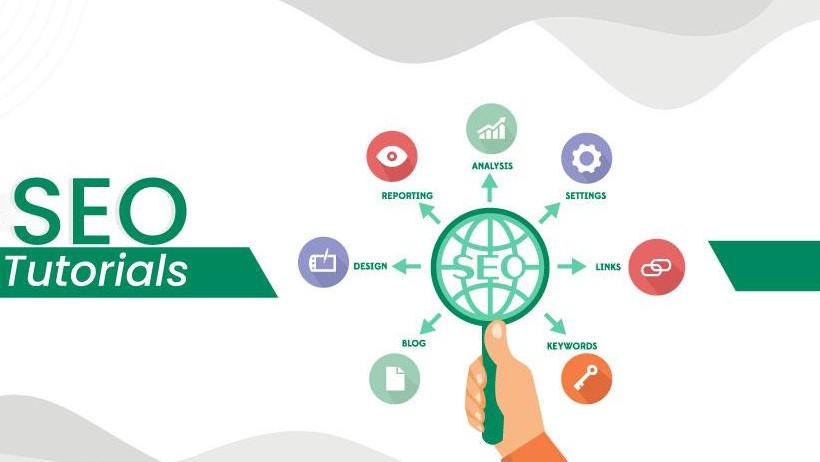
Search Engine Optimization (SEO) is a fundamental aspect of digital marketing that aims to improve a website’s visibility on search engine results pages. By implementing SEO best practices, businesses can attract more organic traffic and enhance their online presence. Here are some essential SEO basics to help you understand the key principles:
Keywords are the foundation of SEO. Conduct keyword research to identify relevant terms and phrases that your target audience is searching for. Integrate these keywords strategically into your website content, including headings, meta tags, and body text.
Optimizing on-page elements such as title tags, meta descriptions, and image alt text can improve your website’s visibility in search results. Ensure that each page has unique and descriptive metadata that accurately reflects its content.
Create high-quality, engaging content that provides value to your audience. Regularly update your website with fresh and relevant information to attract both users and search engines. Content should be well-written, informative, and tailored to meet the needs of your target market.
Building a strong backlink profile is crucial for SEO success. Acquire links from reputable websites in your industry to demonstrate authority and credibility to search engines. Focus on earning natural links through valuable content and outreach efforts.
With the increasing use of mobile devices, having a responsive website design is essential for SEO. Ensure that your site is optimised for mobile users by providing a seamless browsing experience across different devices.
Regularly monitor your website’s performance using tools like Google Analytics and Search Console. Analyse key metrics such as organic traffic, keyword rankings, and user engagement to track progress and identify areas for improvement.
In conclusion, mastering the basics of SEO is essential for improving your website’s visibility and driving organic traffic. By implementing these fundamental principles effectively, you can enhance your online presence and achieve sustainable growth in the digital landscape.
Search Engine Optimization (SEO) is the practice of enhancing a website’s visibility on search engine results pages through various strategies and techniques. It involves optimising content, meta tags, and other elements to improve organic search rankings and attract more relevant traffic. SEO is crucial for businesses as it helps them reach their target audience effectively, increase brand visibility, and drive valuable organic traffic to their websites. By implementing SEO best practices, businesses can establish credibility, build trust with users, and ultimately achieve long-term success in the competitive digital landscape.
Keywords play a pivotal role in shaping the effectiveness of Search Engine Optimization (SEO) strategies. By strategically incorporating relevant keywords into website content, meta tags, and other on-page elements, businesses can enhance their visibility on search engine results pages. Keywords serve as the bridge between what users are searching for and the content that websites offer, helping search engines understand the relevance and context of a webpage. Effective keyword usage not only attracts organic traffic but also signals to search engines that a website is authoritative and valuable to users, ultimately contributing to improved rankings and increased visibility online.
When it comes to on-page optimization in SEO, several key elements play a crucial role in enhancing a website’s visibility and ranking on search engine results pages. These elements include title tags, meta descriptions, heading tags (H1, H2, etc.), URL structure, image alt text, internal linking, and content quality. Title tags should be concise and descriptive, meta descriptions should provide a summary of the page’s content, heading tags help organise the structure of the page for both users and search engines, URL structure should be clean and contain relevant keywords, image alt text should be descriptive for accessibility and SEO purposes, internal linking helps establish site hierarchy and improve navigation, and high-quality content that is relevant to users is essential for on-page optimization success. By optimising these key elements effectively, websites can improve their search engine visibility and attract more organic traffic.
Quality content is paramount for SEO success due to its significant impact on user experience, relevance, and authority. Search engines like Google prioritise content that is informative, engaging, and valuable to users. High-quality content not only attracts organic traffic but also encourages user engagement and interaction on the website. Moreover, well-crafted content that incorporates relevant keywords helps search engines understand the context of the page, improving its visibility in search results. By consistently producing quality content that resonates with the target audience, businesses can enhance their online presence, build credibility, and ultimately drive organic traffic to their website.
Link building plays a crucial role in SEO success by enhancing a website’s authority and credibility in the eyes of search engines. When reputable websites link back to your site, it signals to search engines that your content is valuable and trustworthy. This, in turn, can improve your website’s ranking in search results, leading to increased visibility and organic traffic. By building a strong backlink profile through quality links from relevant sources, businesses can boost their SEO efforts and establish a solid foundation for long-term success in the competitive online landscape.
