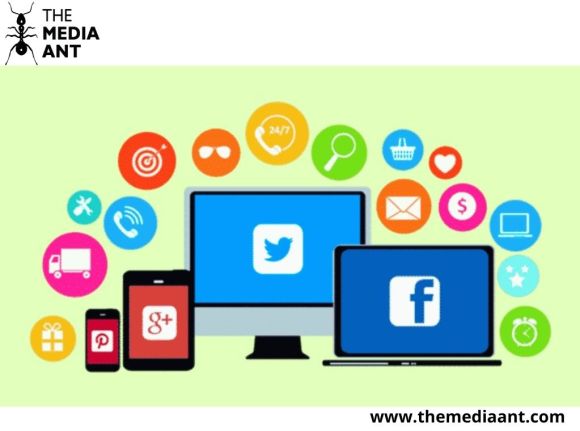
Electronic marketing, often called digital marketing, is the promotion of products and services through digital channels. These include websites, search engines, email, social media, mobile apps and online advertising. As more people use connected devices to research and buy, electronic marketing has become an important part of how businesses reach and serve their customers.
Electronic marketing covers a range of activities. A business might use one channel or combine several, depending on its audience, objectives and budget.
One of the main advantages of electronic marketing is the ability to reach people where they already spend time. A local business can promote its services to nearby customers, while an online retailer can reach shoppers across the UK or internationally.
Digital channels also make it possible to measure activity. Businesses can track visits to a website, email responses, advert clicks and completed purchases. These insights help marketers understand what is working and where improvements may be needed. Unlike many traditional campaigns, online campaigns can often be adjusted while they are running.
Electronic marketing can also support more relevant communication. By understanding customers’ interests and how they interact with a business, organisations can provide information that is useful to different groups. Personalisation should be handled responsibly, with respect for people’s privacy and preferences.
A successful campaign starts with clear objectives. A business might want to increase brand awareness, attract enquiries, encourage repeat purchases or introduce a new product. Specific goals make it easier to choose suitable channels and assess results.
It is equally important to understand the intended audience. Consider what customers need, the questions they ask and the platforms they use. This helps shape the tone, format and timing of marketing communications.
Businesses should then choose channels that support their goals rather than trying to use every platform at once. For example, a search-focused strategy may suit customers actively looking for a particular service, while social media could be useful for building awareness and conversation.
Effective marketing offers value rather than simply repeating sales messages. Clear product information, helpful advice and honest answers to common questions can help customers make informed decisions. A consistent brand voice across a website, email and social media also makes a business easier to recognise.
Trust is essential. Marketing claims should be accurate, prices and terms should be clear, and customer information should be handled carefully. In the UK, businesses should consider relevant rules on advertising, data protection, cookies and electronic communications. Requirements may vary depending on the activity, so organisations should check current guidance and seek professional advice where appropriate.
Regular measurement helps businesses make better decisions. Useful indicators might include website enquiries, sales, email engagement, advert costs or the number of people returning to a site. The right measures depend on the original objective.
Results should be considered in context. A high number of clicks may not lead to sales, while a smaller campaign may generate valuable enquiries. Reviewing performance over time can reveal patterns and opportunities to improve content, targeting or the customer journey.
Electronic marketing continues to evolve as technology and customer expectations change. Automation, artificial intelligence and new digital platforms can help businesses work more efficiently, but technology is most effective when guided by a clear understanding of people and their needs.
At its best, electronic marketing is not just about promoting a product online. It is about creating useful, honest and relevant experiences that help customers find what they need and enable businesses to build lasting relationships.
Electronic marketing, also known as digital marketing, is the promotion of a business, product or service through digital channels such as websites, search engines, email, social media and online advertising. It helps organisations connect with customers, share useful information and encourage actions such as making an enquiry or completing a purchase. Campaigns can be measured and refined using performance data, while communications should always respect customers’ privacy and preferences.
The main types of electronic marketing include search engine optimisation (SEO), which helps websites appear in unpaid search results; content marketing, such as articles, videos and guides; email marketing; social media marketing; and paid online advertising, including search and display adverts. Businesses may also use affiliate marketing, influencer partnerships and mobile marketing, such as app notifications or text messages. The most suitable mix depends on the business’s goals, audience and budget.
Electronic marketing uses digital channels such as websites, search engines, email and social media, while traditional marketing relies on formats such as television, radio, print and outdoor advertising. Digital campaigns can often be targeted to specific audiences, adjusted quickly and measured through online data, whereas traditional campaigns may offer broader reach but can be harder to track in detail. Both approaches can be effective, and the right choice depends on a business’s audience, objectives and budget.
Electronic marketing can help a business reach a wider audience, connect with customers across channels such as search engines, email and social media, and promote its products or services cost-effectively. Campaigns are measurable, allowing businesses to track engagement and results, learn what works and adjust their approach. It can also support more relevant communication, increase brand awareness, attract enquiries and encourage repeat business—provided marketing is useful, responsible and tailored to customer needs.
The cost of electronic marketing varies depending on your goals, chosen channels, audience and the amount of work involved. Activities such as social media, email marketing and SEO may require mainly staff time or agency support, while paid search and social advertising also involve an adjustable media budget. Many businesses combine several approaches, starting with a budget they can sustain and reviewing performance regularly. A clear plan helps you focus spending on the channels most likely to deliver value.
A business can measure the success of its electronic marketing by comparing results with clear objectives, such as increasing website enquiries, online sales, brand awareness or repeat purchases. Useful measures include website traffic, conversion rates, email engagement, social media interactions, advertising costs and return on investment. The right metrics depend on the campaign: clicks alone, for example, may matter less than the number of people who go on to make an enquiry or purchase. Reviewing performance regularly helps a business identify what is working and where changes could improve results.
A business can get started with electronic marketing by setting clear goals, such as increasing website visits, generating enquiries or boosting sales, and identifying the customers it wants to reach. It can then choose suitable channels—such as a website, search engines, email or social media—and create helpful, consistent content for its audience. Start with a manageable plan, make sure any marketing follows relevant UK rules on privacy and electronic communications, and review results regularly so the approach can be improved over time.
