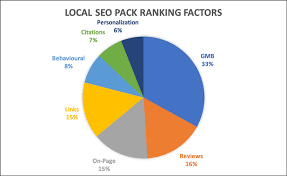
Search Engine Optimization (SEO) ranking plays a crucial role in the success of any online business. In today’s digital landscape, where competition is fierce and attention spans are short, having a strong SEO ranking can make all the difference.
One of the primary reasons why SEO ranking is important is that it directly impacts your website’s visibility on search engine results pages (SERPs). Websites that rank higher are more likely to be clicked on by users, leading to increased traffic and potential conversions. Moreover, a high SEO ranking also enhances your credibility as users tend to trust websites that appear at the top of search results.
By optimising your website for relevant keywords and improving its overall SEO performance, you can attract more organic traffic. Organic traffic refers to visitors who find your website through unpaid search results, making it a cost-effective way to drive quality traffic to your site. A higher SEO ranking increases the likelihood of your website being discovered by users searching for products or services related to your business.
In a competitive online marketplace, having a strong SEO ranking gives you a significant advantage over competitors. By outranking them in search results, you can capture the attention of potential customers before they even consider other options. This can result in higher conversion rates and ultimately contribute to the growth of your business.
SEO is not just about keywords and backlinks; it also encompasses aspects related to user experience and website performance. Search engines like Google take into account factors such as page load speed, mobile-friendliness, and content relevance when determining rankings. By focusing on these elements, you not only improve your SEO but also enhance the overall user experience on your website, leading to increased engagement and retention.
In conclusion, SEO ranking is a fundamental aspect of digital marketing that should not be overlooked. By investing time and resources into improving your website’s SEO performance, you can boost visibility, attract organic traffic, gain a competitive edge, and enhance user experience—all of which are essential for driving success in today’s online landscape.
To rank higher in SEO, it is essential to focus on several key strategies that can improve your website’s visibility and performance in search engine results. Firstly, conducting thorough keyword research to identify relevant and high-traffic keywords is crucial. Incorporating these keywords strategically into your website’s content, meta tags, and headings can help search engines understand the relevance of your pages to user queries. Additionally, creating high-quality, original content that provides value to users and encourages engagement can boost your SEO ranking. Building a strong backlink profile by acquiring links from reputable websites in your industry also plays a significant role in improving your website’s authority and credibility in the eyes of search engines. Regularly monitoring and analysing your SEO performance through tools like Google Analytics can help you identify areas for improvement and adjust your strategy accordingly to climb higher in search rankings.
When it comes to SEO, understanding the different types of strategies is crucial for a comprehensive approach to improving search engine rankings. The 7 types of SEO encompass various techniques and tactics that aim to enhance a website’s visibility and organic traffic. These include on-page SEO, off-page SEO, technical SEO, local SEO, mobile SEO, e-commerce SEO, and voice search SEO. Each type focuses on different aspects of optimisation, such as content quality, backlink building, site structure, local business listings, mobile responsiveness, product optimisation for online stores, and voice search compatibility. By incorporating a mix of these SEO types into your digital marketing strategy, you can maximise your chances of ranking higher in search engine results and reaching your target audience effectively.
When considering what constitutes a good SEO score, it’s important to understand that SEO performance is not measured by a single numerical value but rather by a combination of factors. While there is no universal benchmark for an ideal SEO score, it typically involves evaluating various metrics such as keyword rankings, organic traffic, backlink quality, website speed, and user engagement. A good SEO score is one that reflects positive progress in these areas and demonstrates effective optimisation efforts tailored to improve search engine visibility and user experience. Continuous monitoring and adjustment based on data analysis are key to achieving and maintaining a favourable SEO score that aligns with your business goals and industry standards.
When it comes to calculating SEO rankings, several factors come into play to determine where a website appears in search engine results. Search engines like Google use complex algorithms that consider various elements such as the relevance of keywords, quality of content, backlink profile, user experience, website performance, and more. These algorithms analyse and weigh these factors to assign a ranking to each webpage based on its perceived relevance and authority in relation to a user’s search query. By understanding and implementing best practices in SEO, businesses can improve their rankings and increase their visibility online.
When it comes to SEO ranking, content plays a pivotal role in determining the visibility and relevance of a website on search engine results pages. Content for SEO ranking refers to the strategic creation and optimisation of textual, visual, and multimedia elements on a website to enhance its search engine performance. High-quality, relevant content that is tailored to target specific keywords and user intent can significantly impact a website’s ranking. By crafting engaging, informative content that meets the needs of both users and search engines, businesses can improve their SEO rankings and attract organic traffic to their websites.
To rank high in SEO, it is essential to focus on several key factors that contribute to a strong search engine presence. Firstly, conducting thorough keyword research and incorporating relevant keywords into your website content is crucial for improving visibility. Additionally, creating high-quality, original content that provides value to users can help establish authority and credibility with search engines. Optimising on-page elements such as meta tags, headings, and image alt text, as well as building high-quality backlinks from reputable sources, are also vital for boosting SEO rankings. Regularly monitoring performance metrics and making data-driven adjustments based on analytics insights can further enhance your chances of ranking higher in search results.
To increase SEO ranking, businesses can implement a variety of strategies to improve their website’s visibility and relevance to search engines. This includes conducting thorough keyword research to target the right terms, creating high-quality and relevant content that engages users, optimizing on-page elements such as meta tags and headings, building quality backlinks from reputable websites, ensuring mobile-friendliness and fast loading speed, and regularly monitoring performance through analytics to make data-driven adjustments. By focusing on these key areas and staying up-to-date with best practices in SEO, businesses can enhance their online presence and climb the rankings in search engine results pages.
SEO, or Search Engine Optimization, plays a crucial role in helping websites rank higher on search engine results pages. By implementing various SEO strategies such as optimizing website content, improving site structure, building quality backlinks, and focusing on user experience, websites can improve their relevance and authority in the eyes of search engines like Google. These efforts signal to search algorithms that the website offers valuable and relevant information to users, leading to higher rankings for targeted keywords. Ultimately, SEO helps websites rank by making them more visible and accessible to users searching for specific topics or products online.
The importance of SEO ranking lies in its pivotal role in determining the visibility and credibility of a website in the vast digital landscape. Achieving a high SEO ranking enhances the chances of a website appearing prominently on search engine results pages (SERPs), leading to increased organic traffic and potential conversions. A strong SEO ranking not only sets a website apart from competitors but also establishes trust with users, who are more likely to engage with and explore websites that rank higher in search results. Ultimately, prioritising SEO ranking is essential for businesses seeking to improve their online presence, attract quality traffic, and gain a competitive advantage in today’s highly competitive digital market.
To check your Google SEO ranking, you can use various tools and methods to monitor the position of your website on search engine results pages (SERPs). One common approach is to conduct manual searches using relevant keywords to see where your website appears in the search results. Additionally, there are online tools and software available that provide detailed insights into your SEO performance, including keyword rankings, organic traffic data, and competitor analysis. By regularly monitoring your Google SEO ranking through these methods, you can track your progress, identify areas for improvement, and make informed decisions to enhance your website’s visibility and performance in search engine results.
To rank up in SEO, it is essential to implement a comprehensive strategy that focuses on various key elements. Firstly, conducting thorough keyword research to identify relevant and high-ranking keywords is crucial. Creating high-quality, relevant content that incorporates these keywords naturally is also important for improving SEO ranking. Additionally, optimizing on-page elements such as meta tags, headings, and images can enhance visibility to search engines. Building quality backlinks from reputable websites and ensuring a user-friendly website experience with fast loading times and mobile responsiveness are also vital factors in ranking up in SEO. Consistent monitoring of performance metrics and making adjustments based on data analysis can further improve SEO ranking over time.
To check SEO ranking effectively, there are several methods and tools available. One common approach is to use online tools such as Google Search Console, SEMrush, Ahrefs, or Moz’s Rank Tracker. These tools provide insights into your website’s performance in search engine results pages (SERPs), including keyword rankings, backlink analysis, and organic traffic data. Additionally, manual methods like conducting keyword searches on search engines can give you a quick snapshot of where your website stands for specific terms. Regularly monitoring your SEO ranking through these techniques allows you to track progress, identify areas for improvement, and make informed decisions to enhance your website’s visibility and performance online.
When it comes to determining what constitutes a good score for SEO, it’s important to understand that there isn’t a specific numerical value or universal benchmark that applies to all websites. SEO performance is influenced by various factors such as industry competitiveness, target keywords, website structure, content quality, and backlink profile. Instead of fixating on a single “score,” it’s more meaningful to focus on continuous improvement and tracking key metrics like organic traffic, keyword rankings, click-through rates, and conversion rates. Ultimately, a good SEO score is one that aligns with your business goals, drives relevant traffic to your site, and helps you outrank competitors in search engine results pages.
When considering the main factors that influence SEO ranking, it is essential to focus on five key elements that play a significant role in determining a website’s position in search engine results. These factors include on-page optimisation, quality and relevance of content, backlink profile, user experience, and mobile-friendliness. On-page optimisation involves factors such as meta tags, headings, and keyword placement to ensure that the website is easily understood by search engines. Quality and relevance of content are crucial for engaging users and establishing authority in a particular niche. A strong backlink profile indicates trustworthiness and authority to search engines. User experience, including factors like page speed and navigation, contributes to overall satisfaction and retention of visitors. Lastly, mobile-friendliness has become increasingly important with the rise of mobile searches, emphasising the need for websites to be responsive and accessible across different devices. By focusing on these five main SEO rank factors, businesses can improve their visibility and competitiveness in the digital landscape.
To achieve SEO ranking, it is essential to implement a comprehensive strategy that focuses on various aspects of Search Engine Optimization. Start by conducting thorough keyword research to identify relevant terms and phrases that your target audience is searching for. Optimise your website’s on-page elements, such as meta tags, headings, and content, to align with these keywords. Building high-quality backlinks from reputable websites can also boost your SEO ranking. Regularly updating and adding fresh, engaging content to your site can improve visibility and user engagement. Additionally, ensuring that your website is mobile-friendly and optimised for speed can positively impact your SEO performance. Consistent monitoring, analysis, and adjustments based on data insights are key to maintaining and improving your SEO ranking over time.
Search Engine Optimization (SEO) is a fundamental digital marketing strategy aimed at improving a website’s visibility and ranking on search engine results pages (SERPs). In essence, SEO involves optimising various elements of a website, such as content, keywords, meta tags, and backlinks, to make it more relevant and authoritative in the eyes of search engines like Google. By adhering to SEO best practices, businesses can increase their chances of appearing higher in search results for relevant queries, ultimately driving more organic traffic to their site. SEO is an ongoing process that requires continuous monitoring and adjustments to stay ahead in the ever-evolving digital landscape.
In the realm of SEO ranking, understanding the three key stages is crucial for achieving success in digital marketing. The first stage involves on-page optimisation, where website content, structure, and metadata are fine-tuned to align with relevant keywords and enhance user experience. The second stage focuses on off-page optimisation, which involves building high-quality backlinks from reputable sources to establish authority and credibility in the eyes of search engines. Lastly, the third stage revolves around technical SEO, where aspects such as site speed, mobile-friendliness, and indexing are optimised to ensure smooth crawling and indexing by search engine bots. Mastering these three stages is essential for improving SEO ranking and driving organic traffic to your website.
When it comes to SEO ranking, determining what constitutes a good score can vary depending on various factors such as industry, competition, and target keywords. While there isn’t a specific numerical value that universally defines a “good” SEO ranking score, it is generally understood that the higher your website ranks on search engine results pages (SERPs), the better. Aim to achieve top positions for relevant keywords in order to increase visibility, attract more organic traffic, and ultimately drive conversions. Regularly monitoring your website’s performance metrics and making strategic adjustments based on data analysis can help improve your SEO ranking over time.
To achieve a high SEO ranking, it is essential to implement a strategic approach that combines various elements of search engine optimisation. Start by conducting thorough keyword research to identify relevant terms and phrases that your target audience is searching for. Optimise your website’s on-page elements, such as meta tags, headings, and content, to align with these keywords. Focus on creating high-quality, valuable content that addresses the needs and interests of your audience. Building a strong backlink profile by earning links from reputable websites can also boost your SEO ranking. Regularly monitoring and analysing your performance metrics will help you refine your strategies and stay ahead in the competitive digital landscape.
Understanding the three stages of ranking in SEO is essential for anyone looking to improve their website’s visibility and performance in search engine results. The first stage involves on-page optimisation, where factors such as keyword research, meta tags, and content quality are key to enhancing a website’s relevance to search queries. The second stage focuses on off-page optimisation, which includes building high-quality backlinks and establishing authority within the online community. Lastly, the third stage revolves around technical SEO, addressing issues like site speed, mobile-friendliness, and crawlability to ensure that search engines can effectively index and rank the website. By navigating through these three stages strategically, website owners can significantly improve their SEO ranking and attract more organic traffic to their site.
Calculating SEO ranking involves a complex algorithm that takes into account various factors such as keyword relevance, website traffic, backlink quality, and user engagement metrics. Search engines like Google use sophisticated algorithms to determine the position of a website in search results based on these criteria. While the exact formula for calculating SEO ranking is proprietary and constantly evolving, website owners can monitor their performance through tools like Google Analytics and SEO platforms that provide insights into key metrics such as keyword rankings, organic traffic, and click-through rates. By analysing these data points and making strategic adjustments to their SEO strategy, businesses can improve their ranking over time and enhance their online visibility.
When it comes to SEO ranking, understanding the key factors that influence search engine results is crucial for achieving success online. The three primary ranking factors of SEO include content relevance, backlinks, and user experience. Content relevance refers to the quality and relevance of the content on your website in relation to the search queries users are making. Backlinks play a vital role in establishing your website’s authority and credibility by showcasing that other reputable sites are linking back to yours. User experience encompasses various aspects such as site speed, mobile-friendliness, and overall usability, all of which contribute to how well your website ranks in search engine results pages. By focusing on these three essential ranking factors, businesses can improve their SEO performance and enhance their online visibility effectively.
When referring to SEO ranking for a website, it denotes the position at which the website appears in search engine results for specific keywords or queries. Essentially, SEO rank reflects the visibility and relevance of a website in search engine results pages (SERPs). Websites with higher SEO ranks are more likely to attract organic traffic, as they are perceived as more authoritative and trustworthy by search engines. Achieving a favourable SEO rank involves implementing various strategies such as keyword optimization, quality content creation, backlink building, and technical SEO enhancements to improve the website’s overall visibility and performance in search results.
