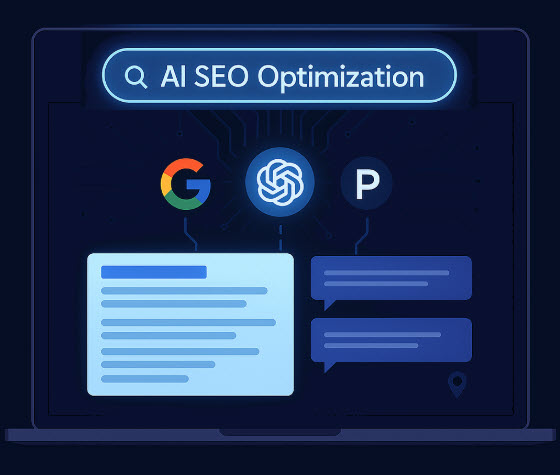
In the digital age, search engine optimisation (SEO) has become a crucial component of online success. As businesses strive to improve their online visibility, the advent of artificial intelligence (AI) is revolutionising the way SEO is approached. AI-driven SEO optimisation is not just a trend; it’s a transformative force that is reshaping digital marketing strategies worldwide.
AI-driven SEO optimisation involves using artificial intelligence technologies to enhance and streamline the process of improving a website’s search engine rankings. By leveraging machine learning algorithms and data analysis, AI can identify patterns and insights that would be difficult for humans to detect manually.
Keyword research is a fundamental aspect of SEO, and AI tools are making it more efficient than ever before. Through natural language processing (NLP), AI can understand user intent better, allowing marketers to identify keywords that align more closely with what potential customers are searching for. This results in more targeted content that meets user needs and improves search rankings.
AI tools are also transforming content creation by generating topic ideas, suggesting headlines, and even drafting entire articles based on data-driven insights. These tools analyse existing content trends and performance metrics to ensure that new content is optimised for both search engines and user engagement.
User experience (UX) is a critical factor in SEO success. Search engines prioritise websites that offer seamless navigation, fast loading times, and mobile-friendliness. AI can analyse user behaviour data to provide actionable insights on how to improve UX, resulting in lower bounce rates and higher conversion rates.
One of the most powerful applications of AI in SEO is predictive analysis. By examining historical data and current trends, AI can forecast future performance outcomes. This enables businesses to make informed decisions about where to focus their efforts for maximum impact.
The integration of AI into SEO practices marks a significant shift towards more intelligent marketing strategies. As technology continues to evolve, so too will the capabilities of AI-powered tools. Businesses that embrace these innovations will be well-positioned to thrive in an increasingly competitive digital landscape.
The future is bright for those willing to adapt; with AI-driven SEO optimisation at the helm, navigating the complexities of search engine algorithms has never been more achievable or promising.
Conducting keyword research is an essential first step in developing an effective AI SEO strategy. By identifying relevant terms and phrases that your target audience is searching for, you can tailor your content to meet their needs and improve your website’s visibility in search engine results. AI tools can greatly enhance this process by analysing vast amounts of data to uncover patterns and insights that might otherwise go unnoticed. These tools can help you understand user intent more accurately, allowing you to focus on keywords that are not only popular but also highly relevant to your business. This targeted approach ensures that your content resonates with potential customers, ultimately driving more traffic and engagement to your site.
To enhance your website’s visibility on search engines, it is essential to optimise your content with natural language processing (NLP) in mind. By incorporating NLP techniques into your content creation process, you can better align your keywords and topics with user intent, leading to improved search engine rankings. NLP allows you to understand how users interact with search queries and tailor your content to meet their needs effectively. By leveraging the power of NLP in SEO optimisation, you can create more engaging and relevant content that resonates with both search engines and your target audience.
Incorporating AI tools into on-page SEO tasks can significantly enhance the efficiency and effectiveness of website optimisation. By automating the process of creating and refining meta tags, headers, and image alt text, AI ensures that these elements are not only keyword-rich but also contextually relevant. This precision helps improve search engine rankings by making content more accessible and understandable to both search engines and users. Additionally, AI tools can analyse large volumes of data to identify the most effective keywords and phrases for each element, ensuring that every aspect of a webpage is optimised for maximum visibility. As a result, businesses can achieve better organic reach while saving time and resources traditionally spent on manual SEO efforts.
By implementing structured data markup using schema.org, businesses can significantly enhance their SEO efforts by providing search engines with a clearer understanding of their content. This structured approach helps search engines interpret and categorise website information more effectively, leading to improved visibility and relevance in search results. By utilising schema.org markup, businesses can ensure that their content is presented in a structured and meaningful way, ultimately enhancing the user experience and boosting organic traffic to their website.
Monitoring and analysing your website’s performance using AI analytics tools is a crucial step in making data-driven decisions for SEO improvements. These advanced tools offer real-time insights into various performance metrics, such as traffic patterns, user behaviour, and conversion rates. By leveraging AI analytics, businesses can identify trends and pinpoint areas that require optimisation. This data-centric approach allows for more precise targeting of SEO strategies, ensuring that efforts are focused on the most impactful areas. Moreover, AI tools can predict future performance based on historical data, enabling proactive adjustments to maintain or improve search engine rankings. Ultimately, this empowers businesses to make informed decisions that enhance their online visibility and drive sustainable growth.
Incorporating AI-powered chatbots or virtual assistants into your website is a strategic move to enhance user experience and engagement. These intelligent tools can provide instant responses to user queries, guide visitors through your site, and offer personalised recommendations based on user behaviour. By ensuring that visitors receive timely and relevant information, AI chatbots help reduce bounce rates and increase the time spent on your site, both of which are positive signals for search engine optimisation. Moreover, by handling routine inquiries and tasks, these virtual assistants free up human resources to focus on more complex issues, ultimately improving overall customer satisfaction and fostering a deeper connection with your audience.
In the rapidly evolving world of digital marketing, staying updated on the latest trends and advancements in AI technology is crucial for maintaining a competitive edge in SEO. As AI continues to reshape the landscape, it introduces new tools and methodologies that can significantly enhance search engine optimisation strategies. By keeping abreast of these developments, businesses can leverage cutting-edge technologies to improve keyword research, content creation, and user experience. This proactive approach not only helps in anticipating changes in search engine algorithms but also ensures that businesses remain agile and responsive to emerging opportunities. Ultimately, staying informed about AI advancements enables marketers to implement more effective and innovative SEO strategies, positioning their brands for sustained success in an increasingly competitive environment.
In the ever-evolving landscape of digital marketing, testing different AI algorithms and strategies is essential for refining and optimising SEO efforts. By experimenting with various AI tools, businesses can identify which algorithms deliver the most effective results for their specific needs. This approach allows marketers to adapt to changing search engine behaviours and user preferences, ensuring that their strategies remain relevant and competitive. Continuous testing not only helps in discovering new opportunities for improvement but also in mitigating risks associated with relying on a single method. Ultimately, this iterative process of experimentation and refinement is key to achieving sustained success in SEO campaigns.
