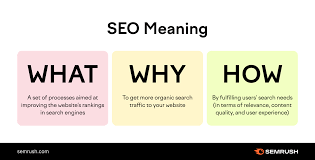
In today’s digital age, having a strong online presence is essential for businesses looking to thrive in the competitive market. Two key components that play a crucial role in determining the success of your online presence are website design and search engine optimisation (SEO).
Your website is often the first point of contact between your business and potential customers. A well-designed website not only attracts visitors but also engages and retains them. A visually appealing layout, user-friendly navigation, fast loading times, and mobile responsiveness are all elements that contribute to a positive user experience.
Furthermore, a professionally designed website builds credibility and trust with your audience. It reflects the values and professionalism of your brand, leaving a lasting impression on visitors. Investing in high-quality website design can set you apart from competitors and establish your business as a leader in your industry.
While having an aesthetically pleasing website is important, it’s equally crucial to ensure that your target audience can find it easily through search engines. This is where SEO comes into play. SEO involves optimising your website’s content, structure, and performance to rank higher in search engine results pages (SERPs).
By implementing effective SEO strategies such as keyword research, on-page optimisation, link building, and technical SEO, you can increase your website’s visibility and attract organic traffic. Appearing at the top of search results not only drives more qualified leads to your site but also enhances brand credibility and authority.
Website design and SEO are integral components of a successful online marketing strategy. By investing in a well-designed website that is optimised for search engines, you can enhance user experience, increase visibility, drive traffic, and ultimately achieve online success.
Inquiring whether SEO is necessary for your website is a common question among business owners and website managers. The answer is a resounding yes. Search engine optimisation (SEO) is crucial for ensuring that your website ranks well in search engine results, making it more visible to potential customers. Without SEO, your website may struggle to attract organic traffic and compete effectively in the online marketplace. By implementing SEO best practices, you can improve your site’s visibility, drive targeted traffic, and ultimately increase your online presence and business success.
Search Engine Optimisation (SEO) in website refers to the practice of enhancing various elements of a website to improve its visibility and ranking on search engine results pages. SEO involves implementing strategies such as keyword optimisation, content creation, link building, and technical enhancements to make a website more search engine-friendly. By focusing on SEO, businesses aim to attract organic traffic from search engines like Google, Bing, and Yahoo, ultimately increasing their online presence and reaching a wider audience. Effective SEO not only boosts a website’s visibility but also enhances user experience and credibility, driving valuable traffic and potential customers to the site.
In today’s digital landscape, the question of whether SEO is necessary for a website is a common one. The answer is a resounding yes. SEO plays a vital role in enhancing the visibility and discoverability of your website on search engines. By implementing effective SEO strategies, you can improve your website’s ranking in search results, attract organic traffic, and reach a wider audience. Without SEO, your website may struggle to compete with others in your industry and may not reach its full potential in terms of online presence and success. Therefore, investing in SEO is crucial for ensuring that your website stands out amidst the vast sea of online content and remains relevant to your target audience.
When considering the difference between SEO and a website, it’s important to understand that they serve distinct yet interconnected purposes in the online realm. A website is the digital platform where your business showcases its products or services, communicates its brand identity, and engages with visitors. On the other hand, SEO (Search Engine Optimisation) refers to the strategic process of improving a website’s visibility and ranking on search engine results pages. While a website is the foundation that represents your business online, SEO works behind the scenes to enhance its discoverability and attract organic traffic by optimising content, keywords, and technical aspects. In essence, a well-designed website lays the groundwork for your online presence, while effective SEO tactics ensure that your site is easily found by potential customers searching for relevant information or products.
When it comes to kickstarting SEO for your website, the first step is to conduct thorough keyword research to identify relevant terms and phrases that your target audience is searching for. Once you have a list of keywords, optimise your website’s content by incorporating these keywords strategically in titles, headings, meta descriptions, and body text. Additionally, focus on creating high-quality, valuable content that addresses the needs and interests of your audience. Technical aspects such as improving site speed, mobile responsiveness, and fixing broken links also play a crucial role in SEO success. Regularly monitoring and analysing your website’s performance using tools like Google Analytics can help track progress and make informed decisions for ongoing optimisation efforts. Remember that SEO is an ongoing process that requires dedication, patience, and adaptation to ever-changing algorithms to achieve long-term success in improving your website’s visibility and ranking on search engines.
Yes, SEO is closely related to websites. Search Engine Optimization (SEO) is the practice of optimizing various elements of a website to improve its visibility and ranking on search engine results pages. A well-structured website with relevant content, proper keywords, meta tags, and other SEO-friendly elements can significantly impact its performance in search engine rankings. By aligning SEO strategies with website design and content creation, businesses can enhance their online presence, attract more organic traffic, and ultimately achieve better results in terms of visibility and conversions.
When considering the question, “Do you need SEO for a website?” the answer is a resounding yes. Search Engine Optimisation (SEO) is crucial for any website aiming to establish a strong online presence and attract relevant traffic. By implementing effective SEO strategies, such as keyword optimisation, content quality improvement, and technical enhancements, a website can improve its visibility in search engine results pages (SERPs) and reach its target audience more effectively. Without SEO, a website risks being overshadowed by competitors and missing out on valuable organic traffic opportunities. In essence, SEO is an essential tool for enhancing a website’s performance, increasing its online visibility, and ultimately driving business growth.
When it comes to Search Engine Optimisation (SEO), understanding the different types is crucial for implementing an effective strategy. The four main types of SEO are on-page SEO, off-page SEO, technical SEO, and local SEO. On-page SEO focuses on optimising individual web pages with relevant content, keywords, and meta tags to improve search engine rankings. Off-page SEO involves building backlinks and establishing your website’s authority through external sources. Technical SEO deals with the technical aspects of a website, such as site speed, mobile-friendliness, and structured data markup. Local SEO targets geographically specific searches to enhance visibility for local businesses. By incorporating these four types of SEO into your digital marketing efforts, you can enhance your online presence and attract more qualified traffic to your website.
The relationship between SEO and a website is symbiotic, with each playing a crucial role in the success of the other. SEO, or search engine optimisation, focuses on improving a website’s visibility and ranking in search engine results pages. A well-optimised website that follows SEO best practices such as using relevant keywords, creating high-quality content, and ensuring proper site structure can significantly enhance its chances of being discovered by search engines and, subsequently, by users searching for related information or products. In turn, a website that is properly optimised for SEO not only attracts more organic traffic but also provides a better user experience, ultimately leading to increased engagement and conversions. Therefore, the synergy between SEO and website design is essential for maximising online presence and achieving digital success.
Many businesses often wonder, “Is SEO good for a website?” The answer is a resounding yes. Search Engine Optimisation (SEO) plays a vital role in enhancing the visibility and performance of a website. By implementing SEO best practices, businesses can improve their website’s rankings on search engine results pages, attract more organic traffic, and reach a wider audience. SEO helps in increasing brand awareness, driving targeted traffic to the site, and ultimately boosting conversions and revenue. It is a powerful tool that can significantly impact the success of a website in today’s competitive online landscape.
Starting a SEO website involves several key steps to ensure its success. Firstly, conduct thorough keyword research to identify relevant search terms that your target audience is using. Next, create high-quality, optimised content that incorporates these keywords naturally. Focus on building a user-friendly website structure with clear navigation and fast loading speeds. Implement on-page SEO techniques such as meta tags, headings, and image optimisation to improve your site’s visibility in search engine results. Additionally, consider off-page SEO strategies like link building to enhance your website’s authority and credibility. Regularly monitor and analyse your website’s performance using analytics tools to make data-driven decisions for continuous improvement. By following these steps diligently, you can lay a strong foundation for your SEO website and increase its chances of ranking well in search engine results pages.
To enhance the SEO of a website, it is essential to implement a comprehensive strategy that focuses on various key aspects. Start by conducting thorough keyword research to identify relevant and high-ranking keywords for your content. Optimize on-page elements such as meta tags, headings, and image alt text with these keywords to improve visibility in search results. Create high-quality, engaging content that provides value to users and encourages organic traffic. Additionally, focus on building quality backlinks from reputable websites to establish authority and credibility in the eyes of search engines. Regularly monitor performance metrics, make necessary adjustments, and stay informed about industry trends to continuously improve the SEO of your website.
When considering the relationship between a website and SEO, it is important to understand that a well-designed and optimised website plays a fundamental role in enhancing SEO performance. A website serves as the foundation for implementing SEO strategies such as keyword optimisation, content creation, meta tags, and user experience improvements. By having a well-structured website with high-quality content and user-friendly features, businesses can improve their search engine rankings, increase organic traffic, and ultimately boost their online visibility. In essence, a website not only aids in SEO efforts but is essential for achieving long-term success in the digital landscape.
Optimising your website for search engines, commonly referred to as SEO, is a critical step in enhancing your online visibility and attracting organic traffic. To SEO your website effectively, start by conducting thorough keyword research to identify relevant terms and phrases that your target audience is searching for. Incorporate these keywords strategically into your website’s content, meta tags, headings, and URLs to improve its search engine ranking. Additionally, focus on creating high-quality, informative content that addresses the needs and interests of your audience while adhering to SEO best practices. Enhancing user experience through mobile responsiveness, fast loading times, and intuitive navigation also plays a significant role in SEO success. Regularly monitor and analyse your website’s performance using tools like Google Analytics to track progress and make necessary adjustments to further optimise your site for search engines.
For the frequently asked question, “Can I SEO my own website?”, the answer is yes, it is possible for individuals to optimise their own websites for search engines. While hiring a professional SEO agency can provide expertise and save time, there are resources available for those who wish to tackle SEO themselves. By learning about best practices, conducting keyword research, optimising content, improving site structure, and monitoring performance, website owners can make significant strides in boosting their site’s visibility and ranking on search engine results pages. However, it’s important to note that SEO is an ongoing process that requires dedication and staying informed about algorithm updates and industry trends to achieve sustainable results.
