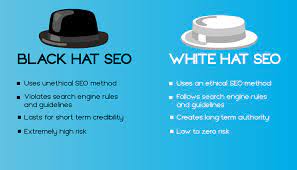
Search Engine Optimization (SEO) is the cornerstone of a successful online presence. It’s the art and science of enhancing a website’s visibility on search engine results pages. Within the realm of SEO, there are two primary approaches: white hat and black hat.
White hat SEO refers to ethical and legitimate practices that align with search engine guidelines. It focuses on creating high-quality content, improving user experience, and building organic backlinks. White hat techniques aim to improve a website’s ranking in a sustainable manner without resorting to manipulative tactics.
Embracing white hat SEO practices offers numerous benefits for businesses looking to establish a strong online presence:
White hat SEO encompasses a variety of strategies designed to improve a website’s visibility organically. Some key strategies include:
White hat SEO is not just about ranking higher on search engine results pages; it’s about building a sustainable online presence that resonates with users and search engines alike. By adhering to ethical practices and focusing on quality, businesses can drive long-term success in the digital landscape.
One of the key advantages of white hat SEO is its ability to deliver sustainable long-term results for businesses. By following ethical practices and focusing on creating high-quality content, white hat techniques help websites build a strong foundation that can withstand algorithm updates and changes in the digital landscape. This approach ensures that businesses can enjoy consistent growth and visibility over time, leading to lasting success in the competitive online environment.
Embracing white hat SEO practices enhances a website’s credibility and trustworthiness among users and search engines alike. By prioritising ethical strategies and providing valuable, relevant content, businesses can establish themselves as trustworthy authorities in their industry. This increased credibility not only fosters stronger relationships with audiences but also earns the respect of search engines, leading to improved rankings and sustained online success.
One of the key advantages of white hat SEO is its emphasis on prioritising user experience and delivering high-quality content. By focusing on creating valuable and engaging content that resonates with the target audience, businesses can not only improve their search engine rankings but also build credibility and trust with users. This approach ensures that the website provides relevant information that meets the needs of visitors, leading to increased engagement, longer dwell times, and ultimately, a more positive online reputation.
One significant advantage of employing white hat SEO practices is the ability to steer clear of search engine penalties. By adhering to ethical guidelines and focusing on quality content and user experience, websites can maintain a positive reputation with search engines. This proactive approach not only safeguards against potential penalties that can harm a site’s ranking but also fosters trust and credibility, ultimately contributing to long-term online success.
One significant advantage of white hat SEO is the enhancement of website visibility through organic means. By employing ethical strategies such as quality content creation, natural link building, and on-page optimisation, businesses can improve their online presence in a sustainable manner. This approach not only helps websites rank higher in search engine results pages but also ensures that the visibility growth is genuine and long-lasting, ultimately attracting more relevant traffic and engaging with a wider audience authentically.
Implementing white hat SEO practices can significantly contribute to building a positive online reputation for businesses. By focusing on creating high-quality content, providing a seamless user experience, and earning organic backlinks from reputable sources, white hat SEO helps establish trust and credibility with both users and search engines. This positive reputation not only enhances brand perception but also leads to increased visibility and engagement, ultimately driving sustainable growth in the competitive digital landscape.
One of the key advantages of employing white hat SEO practices is the ability to achieve steady growth in search engine rankings. By following ethical strategies such as creating high-quality content, improving website user experience, and building organic backlinks, businesses can gradually climb the search engine results pages. This steady ascent not only enhances online visibility but also establishes a strong foundation for long-term success, ensuring that the improved rankings are sustainable and resistant to fluctuations.
One notable drawback of white hat SEO is the potential for slow results. Unlike black hat techniques that may yield quick but unsustainable improvements in search engine rankings, white hat strategies prioritise long-term growth and organic visibility. While this approach ensures ethical practices and credibility, businesses embracing white hat SEO must be patient as the results may take more time to manifest prominently in search engine rankings. The focus on quality content creation, natural link building, and user-centric optimisation means that the benefits of white hat SEO are gradual but enduring, ultimately leading to sustainable online success.
In the realm of white hat SEO, the con of high competition looms large. As businesses strive to adhere to quality and ethical practices to secure top rankings, the landscape becomes increasingly competitive. With numerous companies adopting similar strategies, vying for visibility and prominence on search engine results pages can be a challenging endeavour. Standing out amidst the crowd requires not only dedication to excellence but also innovative approaches to differentiate oneself in a sea of competitors committed to white hat SEO principles.
One significant drawback of white hat SEO is its resource-intensive nature. To effectively implement white hat strategies, businesses must allocate considerable time, effort, and resources towards consistently producing top-notch content and engaging in legitimate link-building activities. This demand for ongoing investment can be a challenge for organisations with limited budgets or tight schedules, making it difficult to sustain the level of commitment needed to see significant results in the competitive online landscape.
In the realm of white hat SEO, one significant challenge arises from the ever-evolving nature of search engine algorithms. These algorithms are continually being updated and refined by search engines, making it a daunting task for businesses to stay abreast of the latest best practices. Adapting to these frequent algorithm changes requires constant vigilance and flexibility in strategies, as what may have been effective yesterday could be obsolete tomorrow. This dynamic landscape demands a proactive approach to ensure that white hat SEO efforts remain aligned with the current algorithmic requirements for sustained online visibility and success.
One significant drawback of white hat SEO is the limited control it offers businesses over their website’s ascent in search engine rankings. Since white hat techniques focus on organic growth through quality content and ethical practices, the pace at which a website climbs the rankings can be slower and less predictable. This lack of control over the speed of improvement may pose a challenge for businesses seeking immediate results or facing intense competition in the online landscape.
One notable drawback of white hat SEO is its strong reliance on content quality. Achieving success through white hat strategies hinges on consistently creating valuable and engaging content that captures the interest of users. This requirement places a significant demand on businesses to maintain a high level of creativity and consistency in their content creation efforts. Meeting these standards can be challenging and time-consuming, potentially posing a barrier to achieving desired results within the competitive online landscape.
One notable drawback of white hat SEO is the potential for plateauing in search engine performance. Even when adhering to best practices diligently, there exists a risk of reaching a point where further enhancements yield only marginal returns. This plateau effect can be frustrating for businesses striving to continuously improve their online visibility and may require innovative strategies or adjustments to break through the performance ceiling.
