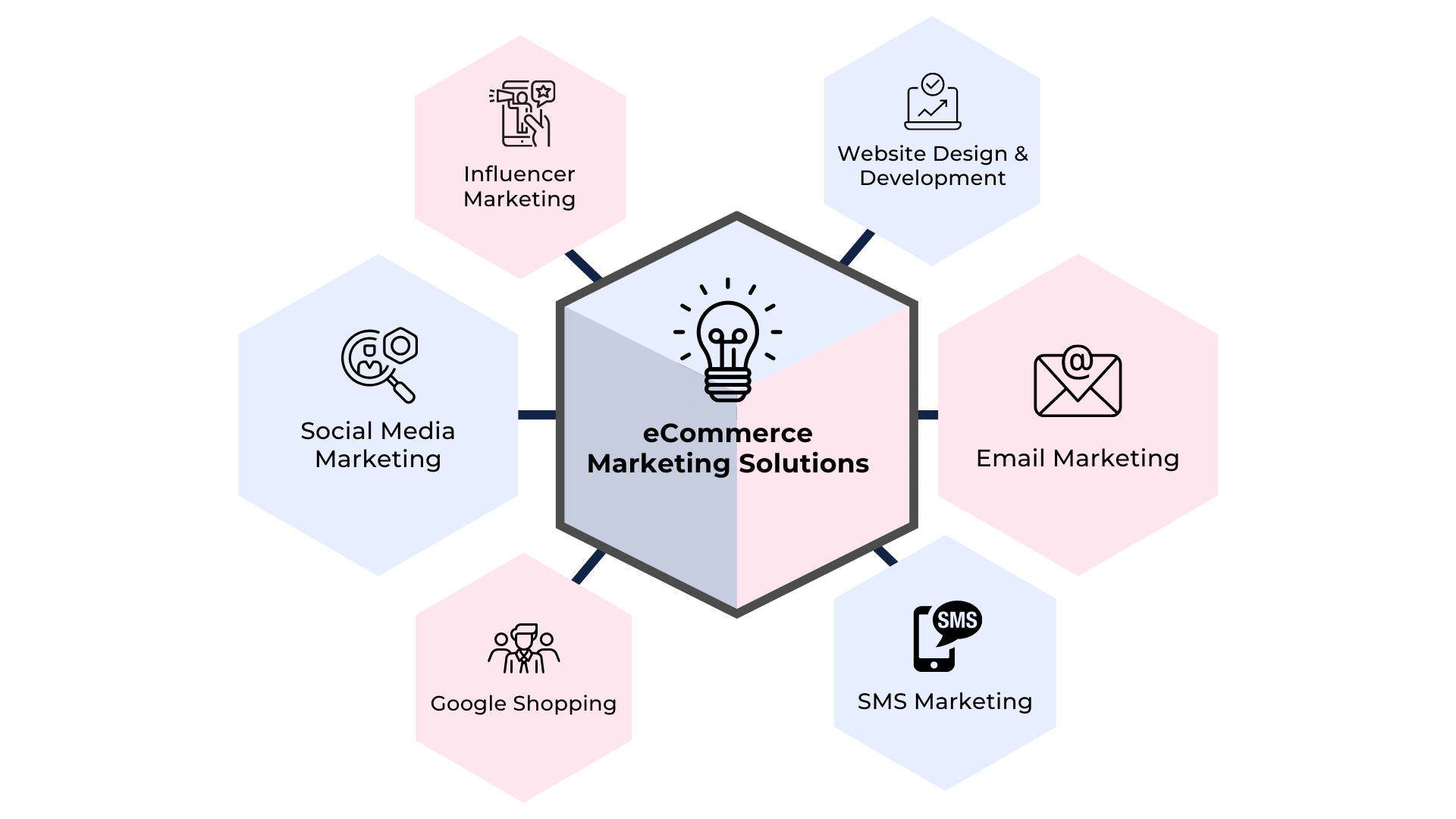
Ecommerce marketing has revolutionised the way businesses sell products and services online. In today’s digital age, having a strong ecommerce marketing strategy is essential for attracting customers, driving sales, and building a successful online business.
One of the key aspects of effective ecommerce marketing is understanding your target audience. By conducting thorough market research and analysing customer data, you can gain valuable insights into the preferences, behaviours, and needs of your potential customers. This information allows you to tailor your marketing efforts to effectively reach and engage with your target audience.
Your ecommerce website is the digital storefront of your business. It is crucial to optimise your website for user experience and search engines. Ensure that your website is mobile-friendly, easy to navigate, and offers a seamless checkout process. Implementing search engine optimisation (SEO) strategies can also help improve your website’s visibility in search engine results pages.
Social media platforms provide a powerful channel for promoting your ecommerce business and engaging with customers. Create compelling content that resonates with your target audience and encourages interaction. Utilise social media advertising to reach a wider audience and drive traffic to your website.
Email marketing remains one of the most effective tools for driving sales in ecommerce. Build an email list of subscribers who have opted in to receive communications from your business. Personalise your email campaigns based on customer preferences and behaviours to increase engagement and conversions.
It is essential to track and measure the performance of your ecommerce marketing efforts. Monitor key metrics such as website traffic, conversion rates, click-through rates, and return on investment (ROI). Use analytics tools to gain insights into what is working well and where there is room for improvement.
Ecommerce marketing presents endless opportunities for businesses to reach a global audience and drive sales online. By implementing strategic marketing tactics tailored to your target audience, optimising your website for conversions, leveraging social media channels, utilising email marketing effectively, and consistently measuring performance, you can achieve success in the competitive world of ecommerce.
Ecommerce marketing encompasses the strategies and techniques used to promote and sell products or services online. It plays a vital role in the success of online businesses by increasing brand visibility, attracting potential customers, driving sales, and fostering customer loyalty. In today’s digital landscape, where consumers increasingly turn to online shopping, having a strong ecommerce marketing strategy is essential for businesses to stand out in a competitive market and capitalise on the vast opportunities presented by the digital realm. By leveraging various marketing channels such as social media, email campaigns, search engine optimisation, and content marketing, ecommerce marketing helps businesses connect with their target audience, drive traffic to their websites, and ultimately boost revenue and growth.
To attract more customers to your ecommerce website, it is essential to implement a comprehensive marketing strategy that focuses on reaching and engaging with your target audience. Utilise a mix of digital marketing tactics such as search engine optimisation (SEO) to improve your website’s visibility in search results, social media marketing to connect with potential customers, email marketing to nurture relationships and drive conversions, and pay-per-click advertising to increase website traffic. Additionally, offering incentives such as discounts, promotions, and loyalty programmes can help entice customers to make a purchase. By understanding your audience, optimising your website for user experience, and consistently analysing and refining your marketing efforts, you can attract more customers and drive success for your ecommerce business.
When it comes to successful ecommerce marketing, understanding and implementing key strategies is essential. Some of the fundamental tactics include identifying and targeting the right audience through thorough market research, optimising the ecommerce website for a seamless user experience, leveraging social media platforms for customer engagement and promotion, utilising email marketing campaigns to nurture leads and drive sales, and consistently analysing performance metrics to refine strategies for optimal results. By combining these strategies effectively, businesses can enhance their online presence, attract more customers, and ultimately achieve success in the competitive realm of ecommerce marketing.
Social media plays a pivotal role in ecommerce marketing by providing a platform to engage with customers, build brand awareness, and drive sales. To use social media effectively in ecommerce marketing, businesses can create compelling content that resonates with their target audience, utilise targeted advertising to reach potential customers, and leverage influencer partnerships to expand their reach. Engaging with followers through interactive posts, responding to queries promptly, and showcasing products creatively can enhance customer trust and loyalty. By analysing social media insights and metrics, businesses can refine their strategies to maximise engagement and conversions, ultimately leading to a successful ecommerce marketing campaign.
When evaluating the success of your ecommerce marketing campaigns, it is crucial to track a range of key metrics to gauge performance and effectiveness. Some essential metrics to monitor include website traffic, conversion rates, customer acquisition cost, return on investment (ROI), average order value, cart abandonment rate, email open and click-through rates, and customer lifetime value. By analysing these metrics, you can gain valuable insights into the impact of your marketing efforts, identify areas for improvement, and make data-driven decisions to optimise your ecommerce strategy for greater success.
