In the fast-paced world of digital marketing, 2018 was a year of significant evolution and innovation. With consumers becoming increasingly tech-savvy and demanding more personalised experiences, businesses had to adapt their strategies to stay ahead of the curve.
One of the key trends that dominated digital marketing in 2018 was the emphasis on high-quality, engaging content. Brands realised that content is not just about quantity but more about relevance and value. Content marketing became a powerful tool for building brand awareness, driving traffic, and nurturing customer relationships.
As mobile usage continued to soar, marketers had to adopt a mobile-first approach to reach their target audience effectively. Mobile optimisation became non-negotiable, with responsive design and mobile-friendly content taking centre stage in digital strategies.
Personalisation emerged as a game-changer in 2018, with businesses leveraging data-driven insights to deliver tailored experiences to consumers. Artificial Intelligence (AI) played a crucial role in enabling this level of personalisation, from chatbots providing instant customer support to predictive analytics guiding marketing decisions.
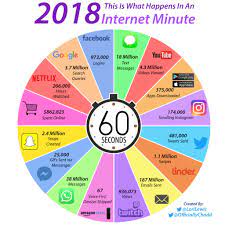
Social media platforms continued to shape the digital landscape in 2018. Influencer marketing gained momentum as brands collaborated with social media personalities to reach new audiences authentically. Social listening tools became essential for understanding consumer sentiment and engaging with customers on a personal level.
The implementation of GDPR (General Data Protection Regulation) in May 2018 sparked conversations around data privacy and transparency. Marketers had to reassess their data collection practices and ensure compliance with regulations while maintaining trust with their audience.
Video content surged in popularity as a preferred medium for engaging audiences. Brands embraced video marketing across platforms like YouTube, Facebook, and Instagram to tell compelling stories, showcase products, and connect emotionally with consumers.
As we reflect on the trends that shaped digital marketing in 2018, it’s evident that adaptability and innovation were key drivers of success. Businesses that embraced change, prioritised customer experience, and leveraged technology stood out in a competitive landscape. Looking ahead, the digital marketing landscape continues to evolve rapidly, presenting new opportunities for brands willing to embrace change.
In the realm of digital marketing in 2018, a frequently asked question revolved around the concept of the 5 C’s of digital marketing. These fundamental pillars, namely Content, Context, Connection, Community, and Commerce, formed the backbone of successful digital strategies. Businesses sought to understand how these elements intertwined to create engaging and impactful campaigns that resonated with their target audience. By mastering the 5 C’s, marketers could craft compelling narratives, deliver relevant messages in the right context, foster meaningful connections with consumers, build thriving online communities, and ultimately drive conversions and commerce in the digital landscape.
The question of whether digital marketing is still growing was a common query in 2018. The resounding answer from industry experts and data trends pointed towards a definitive yes. Despite being a well-established field, digital marketing continued to expand and evolve rapidly in 2018. With the increasing reliance on digital channels for communication, commerce, and entertainment, businesses recognised the immense potential of digital marketing in reaching and engaging their target audiences effectively. The continuous emergence of new technologies, platforms, and strategies indicated that the growth trajectory of digital marketing was far from reaching its peak, promising exciting opportunities for brands willing to invest in innovative approaches to stay ahead in the dynamic digital landscape.
As digital marketing continues to evolve at a rapid pace, the question of what digital marketing will look like in 2030 sparks curiosity and anticipation. In the year 2030, digital marketing is projected to be even more immersive, personalised, and technologically advanced. With the rise of artificial intelligence, augmented reality, and data-driven insights, digital marketers in 2030 are likely to create hyper-personalised experiences that seamlessly integrate with consumers’ daily lives. The boundaries between online and offline experiences may blur further, offering brands new avenues to engage with their target audiences in innovative ways. Adaptability and staying ahead of emerging trends will be crucial for businesses looking to thrive in the dynamic landscape of digital marketing in 2030.
In the realm of digital marketing in 2018, one frequently asked question revolved around the essential pillars that underpin a successful strategy. The five key elements of digital marketing encompassed content marketing, social media engagement, search engine optimisation (SEO), email marketing, and data analytics. Each of these components played a crucial role in driving brand visibility, audience engagement, and conversion rates in the dynamic digital landscape of 2018. Understanding and effectively harnessing these core aspects were paramount for businesses seeking to thrive and stand out amidst fierce online competition.
The popularity of digital marketing began to surge notably in the early 2000s, with the rapid growth of internet usage and the emergence of various online platforms. However, it was around the mid to late 2010s that digital marketing truly gained widespread recognition and adoption among businesses as a crucial component of their marketing strategies. The year 2018 marked a significant milestone in the evolution of digital marketing, with advancements in technology, data analytics, and consumer behaviour shaping the landscape and driving businesses to invest more heavily in digital channels to reach and engage their target audiences effectively.
In 2018, the question of “Who is the No 1 digital marketer?” frequently surfaced in discussions surrounding the ever-evolving landscape of digital marketing. While it is challenging to pinpoint a singular individual as the definitive top digital marketer due to the diverse expertise and innovative strategies within the industry, several prominent figures garnered widespread recognition for their contributions to the field. From industry influencers sharing valuable insights to marketing professionals implementing groundbreaking campaigns, the quest to identify the leading digital marketer underscored the dynamic nature of an industry driven by creativity, data-driven decision-making, and a relentless pursuit of excellence.
The 7 C’s of digital marketing in 2018 refer to a comprehensive framework that encapsulates key principles for successful online strategies. These include Content, Context, Connection, Community, Customisation, Commerce, and Conversion. Each ‘C’ plays a vital role in shaping digital marketing efforts by focusing on delivering relevant and engaging content in the right context to build connections with the target audience, foster community engagement, personalise experiences, drive commerce transactions, and ultimately achieve conversion goals. Adhering to the 7 C’s framework can help businesses navigate the complexities of digital marketing landscape and create impactful campaigns that resonate with consumers.
In 2023, digital marketing has seen several exciting advancements that have redefined how businesses engage with their audiences. One of the most significant developments is the integration of artificial intelligence and machine learning to create more personalised and efficient marketing strategies. AI-driven analytics now allow marketers to gain deeper insights into consumer behaviour, enabling hyper-targeted campaigns that resonate on a personal level. Additionally, the rise of immersive technologies such as augmented reality (AR) and virtual reality (VR) has opened new avenues for interactive and engaging brand experiences. Social media platforms continue to evolve, with short-form video content dominating user engagement. Furthermore, sustainability has become a focal point, with consumers favouring brands that demonstrate environmental responsibility in their digital campaigns. As privacy regulations tighten globally, businesses are also prioritising transparent data practices to build trust with their customers. Overall, 2023 is marked by innovation and a consumer-centric approach in digital marketing.
