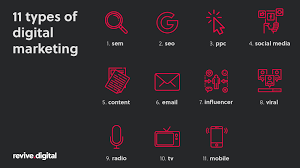
Digital marketing has revolutionised the way businesses connect with their audience, leveraging online platforms to reach and engage consumers in innovative ways. Within the realm of digital marketing, there exists a diverse array of strategies and tactics that cater to different objectives and target audiences. Let’s delve into some of the most prominent types of digital marketing:
SEO is the art and science of increasing a website’s visibility in search engine results pages. By optimising content, keywords, and technical aspects of a website, businesses can improve their organic search rankings and drive more traffic to their site.
PPC advertising involves paying for ads to appear on search engines or social media platforms. Advertisers only pay when users click on their ads, making it a cost-effective way to drive targeted traffic to a website and generate leads.
Social media marketing focuses on creating and sharing content on social media platforms to engage with followers and promote brand awareness. From Facebook and Instagram to LinkedIn and Twitter, businesses can leverage social media to connect with their audience in a more personal way.
Content marketing revolves around creating valuable, relevant content to attract and retain a specific audience. From blog posts and videos to infographics and e-books, compelling content helps build brand credibility, establish thought leadership, and drive conversions.
Email marketing involves sending targeted messages to a list of subscribers with the goal of nurturing leads, promoting products or services, or driving engagement. With personalised content and automation tools, businesses can deliver tailored messages that resonate with recipients.
Influencer marketing involves collaborating with influential individuals on social media to promote products or services to their followers. By leveraging the credibility and reach of influencers, brands can tap into new audiences and build trust with consumers.
Digital marketing is a dynamic field that continues to evolve as technology advances and consumer behaviours shift. By understanding the different types of digital marketing available, businesses can craft comprehensive strategies that engage audiences effectively across various online channels.
Search Engine Optimization (SEO) is a fundamental component of digital marketing that focuses on enhancing a website’s visibility in search engine results. By strategically optimising content, meta tags, and back-end elements, businesses can improve their organic search rankings and attract more qualified traffic to their site. SEO is crucial for increasing online presence, driving website traffic, and ultimately boosting conversions. With the ever-evolving algorithms of search engines like Google, staying abreast of SEO best practices is essential for businesses looking to establish a strong online presence and reach their target audience effectively.
Social Media Marketing is a powerful tool that enables businesses to connect with their target audience on popular platforms such as Facebook, Instagram, Twitter, and LinkedIn. By creating engaging content, interacting with followers, and running targeted advertising campaigns, businesses can build brand awareness, foster customer relationships, and drive website traffic. Social media offers a unique opportunity to showcase the human side of a brand, allowing businesses to engage with their audience in a more personal and authentic way. With the right strategy in place, Social Media Marketing can be a valuable asset in reaching and engaging with customers in today’s digital landscape.
Email marketing remains a powerful tool in the digital marketer’s arsenal, allowing businesses to connect with their audience on a more personal level. By delivering targeted messages directly to subscribers’ inboxes, email marketing enables brands to nurture leads, promote products or services, and drive engagement effectively. With the ability to tailor content based on subscriber preferences and behaviours, businesses can create engaging and personalised campaigns that resonate with recipients, ultimately leading to increased brand loyalty and conversions.
Pay-Per-Click (PPC) advertising is a powerful digital marketing strategy that allows businesses to display ads on search engines and social media platforms, paying only when users click on their ads. This cost-effective approach enables companies to target specific audiences based on demographics, interests, and online behaviour, driving targeted traffic to their websites. By carefully crafting ad campaigns and monitoring performance metrics, businesses can maximise their ROI and reach potential customers at the right moment in their purchasing journey. PPC advertising offers a measurable way to increase brand visibility, generate leads, and ultimately boost conversions in the competitive digital landscape.
Content marketing is a strategic approach that focuses on creating and distributing valuable, relevant content to attract and engage a specific target audience. By providing informative and entertaining content through various formats such as blog posts, videos, infographics, and e-books, businesses can establish credibility, build brand awareness, and cultivate lasting relationships with their customers. Content marketing not only drives traffic to websites but also helps in nurturing leads and converting them into loyal customers through compelling storytelling and consistent delivery of high-quality content.
Influencer marketing is a powerful strategy within the realm of digital marketing that involves partnering with influential individuals on social media to promote products or services to their dedicated followers. By leveraging the credibility, authenticity, and reach of these influencers, brands can effectively connect with target audiences in a more authentic and engaging way. Influencer marketing allows businesses to tap into new markets, increase brand awareness, and build trust with consumers through the influence and endorsement of trusted personalities within specific niches or industries.
