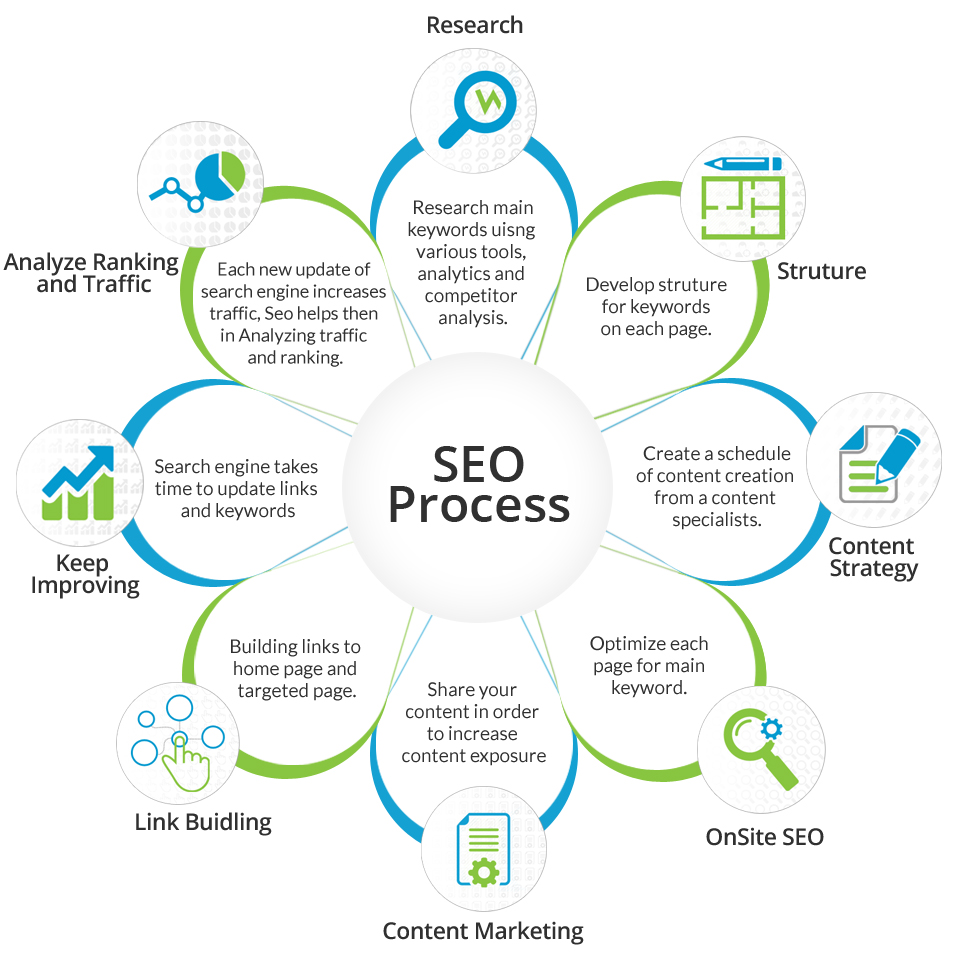
Launching a new website is an exciting venture, but without effective search engine optimization (SEO), your website may struggle to attract the right audience. SEO plays a crucial role in improving your website’s visibility on search engines like Google, Bing, and Yahoo. Here are some key reasons why SEO is essential for the success of your new website:
SEO helps your website rank higher in search engine results pages (SERPs), making it more likely to be seen by users searching for relevant keywords. Improved visibility means more organic traffic to your site, increasing the chances of converting visitors into customers.
By optimising your website for specific keywords related to your business, SEO helps attract targeted traffic that is more likely to be interested in your products or services. This targeted approach can lead to higher conversion rates and improved ROI.
SEO involves improving various aspects of your website, such as site speed, mobile-friendliness, and user navigation. These enhancements not only help search engines crawl and index your site more effectively but also provide a better user experience for visitors, leading to higher engagement and retention.
In today’s digital landscape, competition is fierce in almost every industry. Effective SEO strategies can help you outrank competitors in search results and establish your brand as a trusted authority in your niche. By staying ahead in search rankings, you can gain a competitive edge and attract more customers.
While other marketing tactics may deliver short-term gains, SEO offers long-term benefits for your website’s visibility and credibility. By consistently optimising your site based on industry trends and best practices, you can maintain sustainable growth and stay relevant in the ever-evolving online market.
Search engine optimization is not just a one-time task but an ongoing process that requires dedication and expertise. Investing in SEO for your new website can yield significant rewards by driving targeted traffic, enhancing user experience, and boosting online visibility. By prioritising SEO from the outset, you set the foundation for long-term success in the digital realm.
Search engine optimization (SEO) is the process of improving a website’s visibility on search engine results pages through organic (non-paid) methods. For a new website, SEO is crucial as it helps the site attract relevant traffic, increase visibility, and establish credibility online. By optimising various elements such as keywords, content, meta tags, and backlinks, SEO enables search engines to better understand and rank the website for relevant search queries. This increased visibility not only drives more organic traffic to the site but also enhances user experience and boosts conversion rates. In essence, SEO is essential for a new website to compete in the digital landscape and reach its target audience effectively.
The timeframe to see results from SEO efforts on a new website can vary depending on various factors such as the competitiveness of the industry, the quality of the SEO strategies implemented, and the current state of the website. Generally, it may take several weeks to a few months to start seeing noticeable improvements in search engine rankings and organic traffic. However, significant results like higher rankings, increased visibility, and improved website performance typically become more apparent over time as the SEO efforts continue to be refined and optimised. Consistency, patience, and ongoing monitoring are key elements in achieving long-term success with SEO for a new website.
When it comes to implementing on-page SEO for a new website, several key elements play a crucial role in optimising its visibility and performance on search engines. These elements include but are not limited to: creating high-quality, relevant content that incorporates targeted keywords; optimising meta tags such as title tags and meta descriptions for each page; ensuring proper URL structure that is user-friendly and includes keywords; improving website loading speed for better user experience and search engine ranking; implementing internal linking strategies to enhance site navigation and distribute link equity effectively. By focusing on these essential on-page SEO elements, a new website can significantly improve its chances of ranking higher in search engine results pages and attracting organic traffic.
When selecting the appropriate keywords to target for your new website’s SEO strategy, it is essential to conduct thorough keyword research to identify terms that are relevant to your business niche and have a high search volume. Start by brainstorming potential keywords that reflect your products, services, or industry. Utilise keyword research tools such as Google Keyword Planner, SEMrush, or Ahrefs to analyse search volumes, competition levels, and keyword variations. Consider long-tail keywords that are more specific and less competitive to attract targeted traffic. Additionally, assess the intent behind each keyword to ensure alignment with your website’s content and goals. By choosing the right keywords strategically, you can enhance your website’s visibility and attract valuable organic traffic.
When it comes to optimising a new website for search engines, the decision to hire an SEO agency or consultant versus handling the task in-house depends on various factors. While some businesses may have the resources and expertise to manage SEO internally, others may benefit from the specialised knowledge and experience that an external agency or consultant can provide. Hiring professionals can often lead to more effective and efficient results, especially for those who are new to SEO or lack the time to dedicate to this complex and ever-evolving field. Ultimately, the choice between in-house SEO efforts and outsourcing to experts should be based on the specific needs and goals of the business, weighing factors such as budget, available resources, and desired outcomes.
When implementing SEO for a new website, it is crucial to be aware of common mistakes that can hinder your efforts to improve search engine visibility. Some key errors to avoid include neglecting keyword research and optimisation, overlooking the importance of high-quality and relevant content, ignoring technical SEO aspects like site speed and mobile responsiveness, failing to create a user-friendly website structure and navigation, and neglecting regular monitoring and analysis of SEO performance. By steering clear of these pitfalls and focusing on a holistic SEO strategy, you can maximise the potential of your new website to attract organic traffic and enhance online presence effectively.
